Uncategorized
What Does It Really Mean When a Dog is Hypoallergenic?
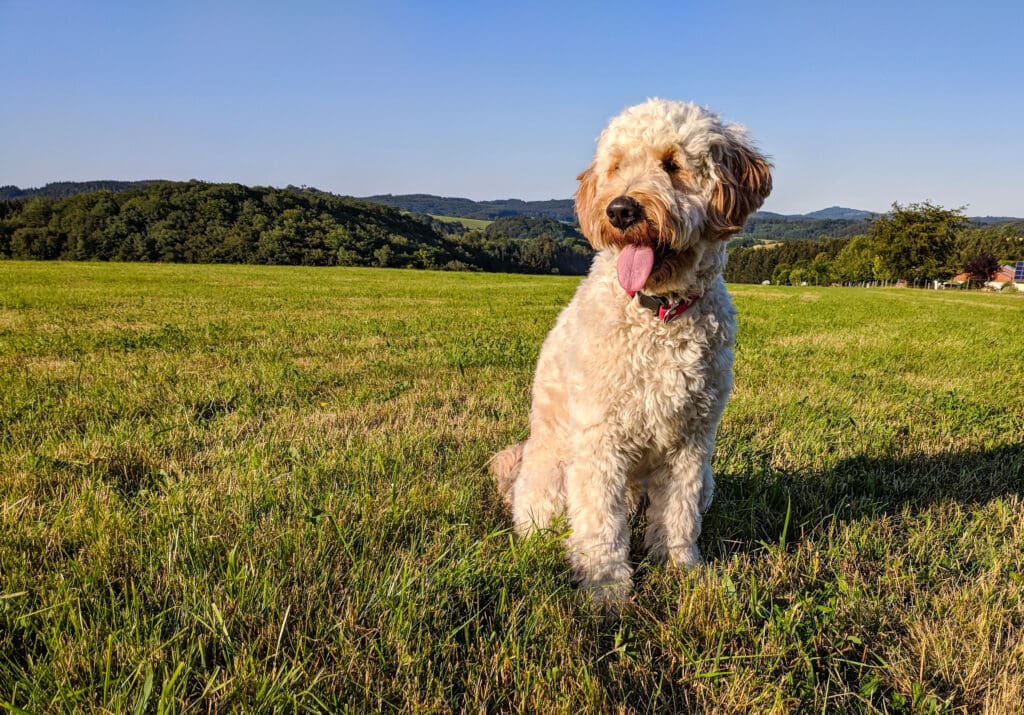
If you’ve been looking for a furry friend but worry about allergies, you’ve probably heard the term “hypoallergenic dog.” But what does it really mean? At Partners Animal Hospital Greenville, we want to clear up the confusion so you can find the perfect match for your family—and your nose. The Hypoallergenic Dog Myth No dog…
Read MoreCatching Heatstroke Symptoms in Dogs Before They Become Dangerous
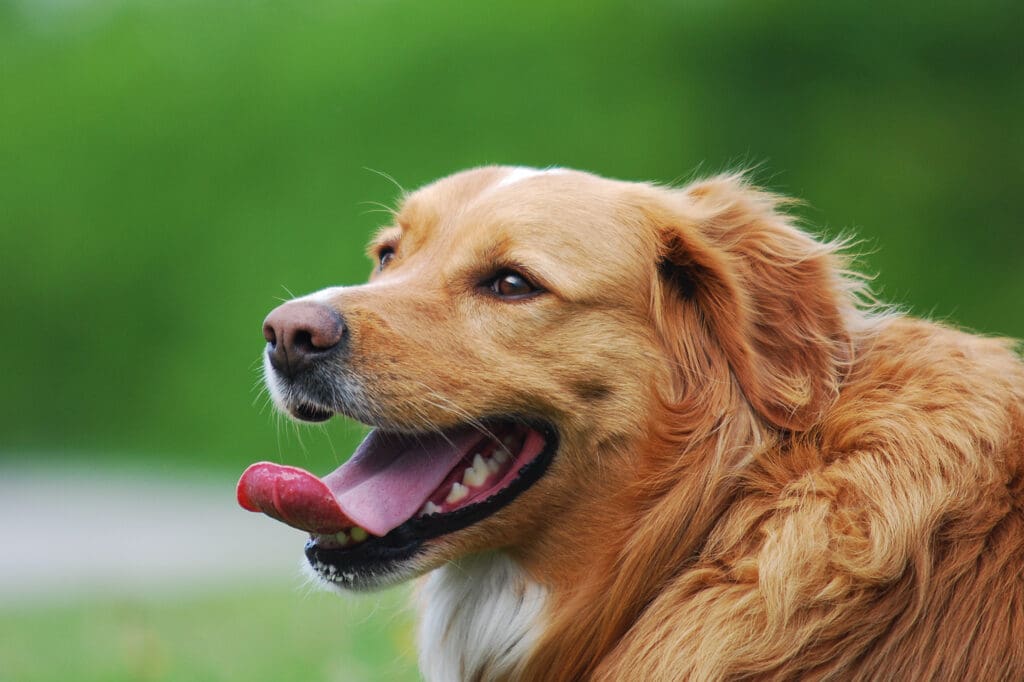
Summer in Greenville is no joke—hot, humid, and perfect for outdoor adventures. But while we might enjoy the sunshine, it can be dangerous for our four-legged friends. At Partners Animal Hospital Greenville, we want pet parents to know the signs of heatstroke before it becomes life-threatening. Here’s how to keep your dog safe and cool…
Read MoreWhat Is Pet Insurance?
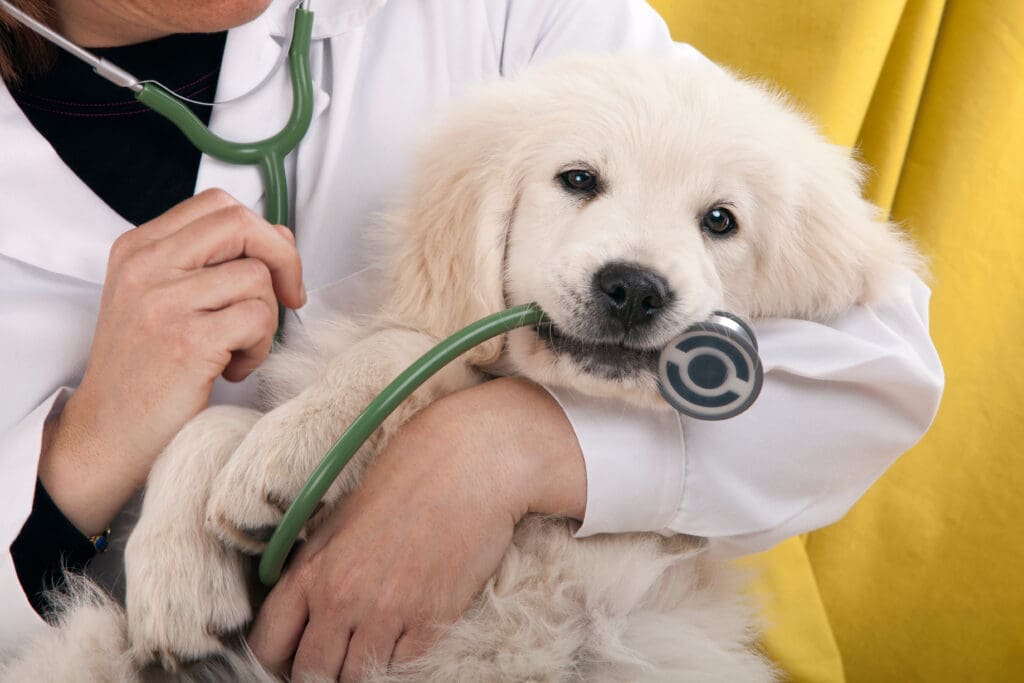
Pet insurance works a lot like health insurance for humans. You pay a monthly premium, and if your pet gets sick or injured, your insurance helps cover part of the cost. Most plans are reimbursement-based, meaning you pay the vet bill upfront, submit a claim, and get reimbursed later—sometimes within a few days. What Does…
Read MoreWhy Do Dogs Eat Grass?
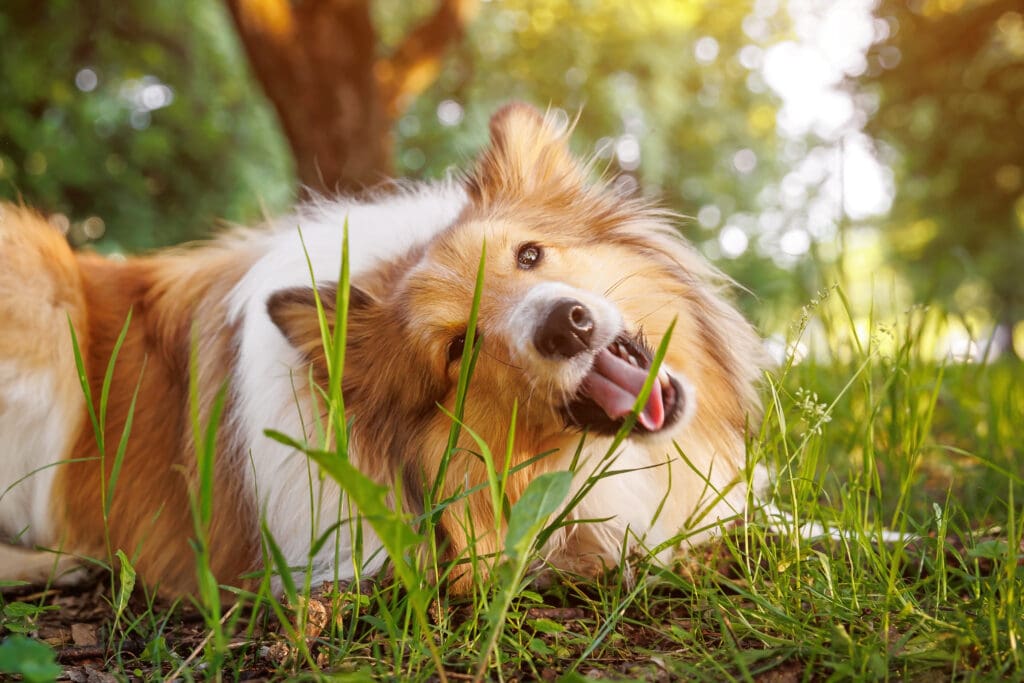
It’s a behavior that puzzles many pet owners: your dog walks outside and immediately starts munching on grass like it’s a salad bar. At Partners Animal Hospital Greenville, we get this question a lot—and fortunately, the answer is usually nothing to worry about. The Theories Behind Grass-Eating There’s no single reason dogs eat grass, but…
Read MoreLeptospirosis and Your Pet: Symptoms, Risks, and Prevention
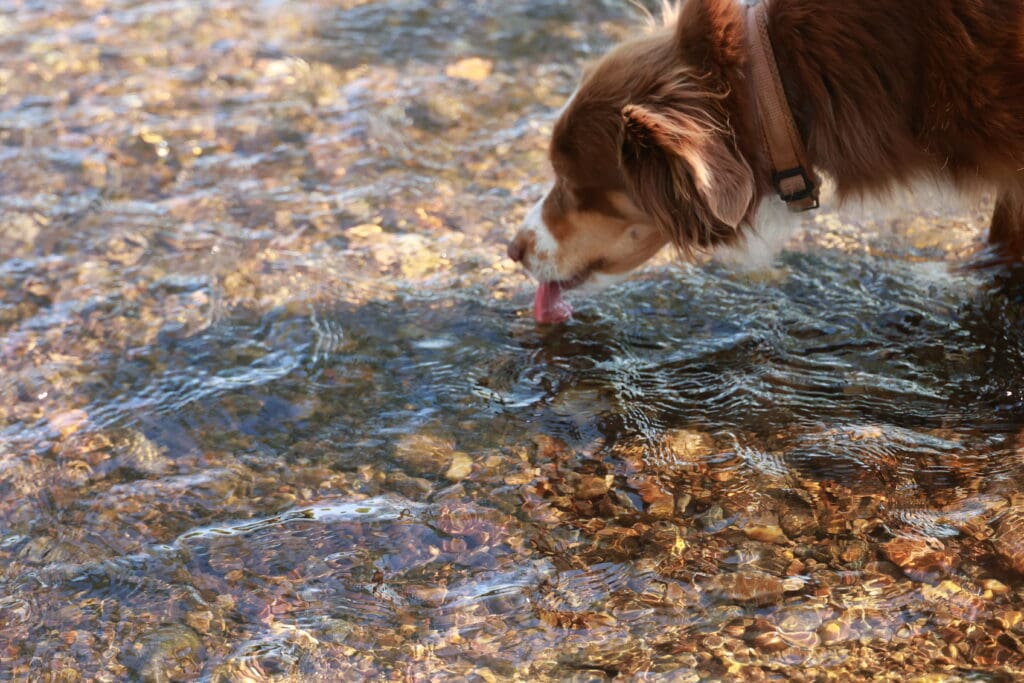
Leptospirosis is a disease that many pet owners have heard of—but few truly understand. At Partners Animal Hospital Greenville, we see it more often than people expect, especially after periods of heavy rain. It’s dangerous, zoonotic (meaning it can spread to humans), and often preventable. What Is Leptospirosis? Leptospirosis is caused by bacteria from the…
Read MoreLyme Disease in Pets: What Every Pet Owner Should Know
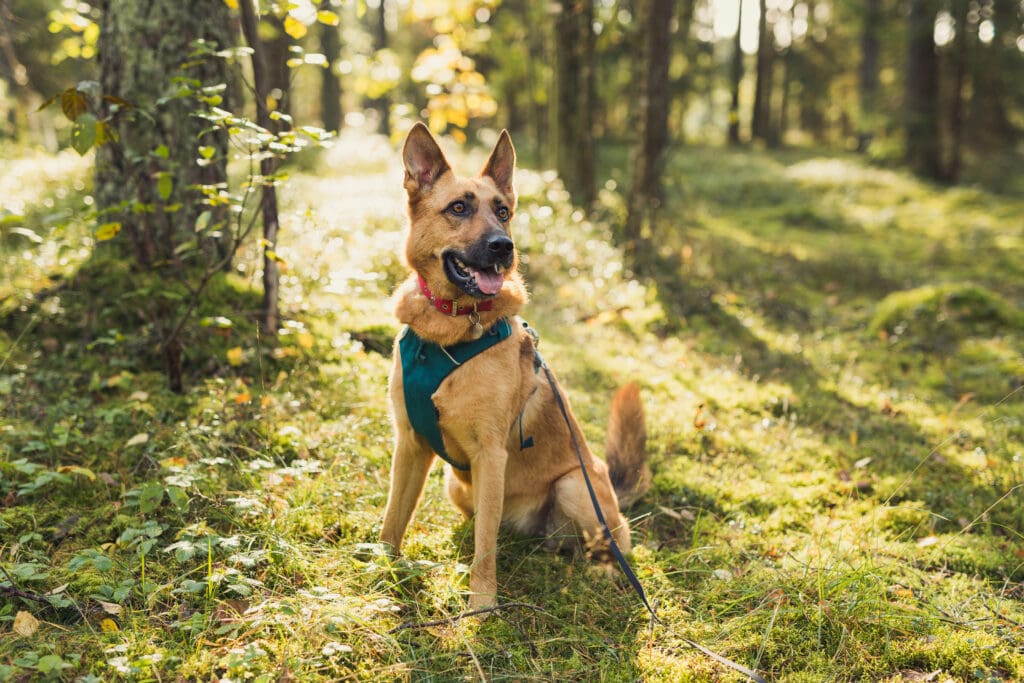
Lyme disease isn’t just a human concern—it can seriously affect your pets, too. At Partners Animal Hospital Greenville, we often see cases during the warmer months when ticks are most active. Understanding how Lyme disease spreads and how to prevent it is key to protecting your pets all year long. What Causes Lyme Disease? Lyme…
Read MoreVetting Around the Upstate with Jewel Veterinary Surgery
We were so excited to sit down with Kate Margalit from Jewel Veterinary Surgery to chat about our hospital and what makes it so special! Please see video below and read the full blog post on Jewel Veterinary Surgery’s site
Read MoreThe “Puppy Don’ts”: What to Avoid When Bringing Home a New Puppy
Bringing home a new puppy is an exciting and joyful experience, but it also comes with responsibilities. Many common mistakes can lead to unnecessary stress, accidents, and even long-term behavioral problems. In this blog post, Dr. Katie Margalit of Jewel Veterinary Surgery and our own Dr. Jon Hansche discuss the top “Puppy Don’ts”—things you should…
Read MoreHow to Support Local Animal Shelters This Spring
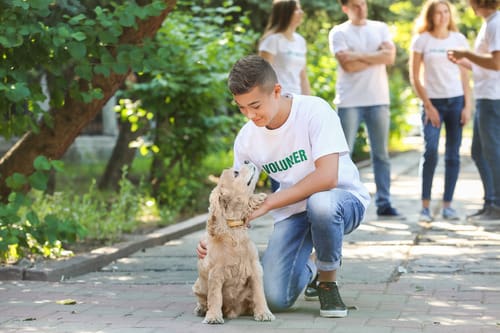
Spring brings renewal and growth, and it’s the perfect time to give back to the community by supporting local animal shelters. These shelters provide essential care, housing, and love for countless animals waiting for their forever homes. Whether you’re a passionate animal lover or simply want to make a positive impact, there are many meaningful…
Read MoreSpring Hikes with Dogs: Safety Tips for Navigating Muddy Trails and Wet Weather
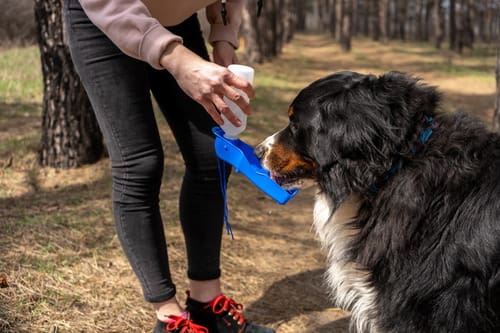
Spring in Greenville, South Carolina, is a beautiful time to explore the outdoors with your dog. The season brings blooming flowers, crisp air, and lush greenery, but it also presents challenges like muddy trails and unpredictable weather. Taking the right precautions can make your spring hikes with your dog both safe and enjoyable. Whether you’re…
Read More