Promoting Healthy Smiles with Cat and Dog Teeth Cleaning in Greenville, SC
A healthy mouth can make eating, playing, and going about the day more comfortable for your pet. Partners Animal Hospital Greenville provides professional cat and dog teeth cleaning services to remove plaque and tartar, examine areas hidden below the gum line, and identify dental problems that may otherwise go unnoticed.
Regular veterinary dental care can help prevent or manage gingivitis, periodontal disease, damaged teeth, oral infections, and other painful conditions. Because pets often hide mouth discomfort, routine dental examinations allow our Greenville, SC team to detect changes before they begin affecting your pet’s daily life.
Your pet’s journey to a bright, healthy smile starts today. Make an appointment!
What Are the Signs of Dental Disease in Pets?
Dental disease begins with the accumulation of plaque and tartar along the gum line. This material can harbor harmful bacteria that migrate under the gums and into the bloodstream, risking infections to vital organs. Regular dental care, including annual check-ups and consistent cleanings, is vital to prevent both dental and broader health problems.
Many dogs and cats continue eating and acting normally despite dental discomfort. Watch for changes such as:
- Persistent bad breath
- Red, swollen, or bleeding gums
- Yellow or brown tartar on the teeth
- Increased drooling
- Dropping food while eating
- Chewing on only one side of the mouth
- Difficulty eating dry food or firm treats
- Pawing or scratching at the face
- Avoiding chew toys
- Facial swelling
- Loose, broken, or discolored teeth
- Reduced interest in food
Bad breath should not be considered a normal part of aging. It may be one of the first noticeable signs that bacteria and dental disease have developed inside your pet’s mouth. Contact our team when you notice these symptoms. A veterinarian can examine your pet’s teeth and gums and determine whether professional cleaning or additional dental treatment is recommended.
How Often Do Dogs and Cats Need Their Teeth Cleaned?
Many dogs and cats benefit from a professional dental cleaning every one to two years. However, there is no single schedule that works for every pet. Your veterinarian will recommend a cleaning schedule based on your pet’s age, breed, mouth structure, dental history, home-care routine, and current oral health.
Some pets may need cleanings more frequently, including:
- Small dogs and toy breeds
- Dogs with crowded or misaligned teeth
- Cats or dogs with previous or chronic periodontal disease
- Pets that accumulate tartar quickly
- Senior pets
- Pets that resist toothbrushing
Your pet should receive an oral examination during routine wellness visits, even when you do not notice any symptoms. These examinations help us monitor plaque, tartar, gum inflammation, loose teeth, and other changes that may affect how soon a cleaning is needed.
What Happens During a Cat or Dog Teeth Cleaning?
Much of a pet’s dental disease develops where it cannot be seen during an awake examination. For that reason, professional veterinary dental cleanings take place under general anesthesia. Anesthesia allows our team to examine the entire mouth, capture clear dental X-rays, clean beneath the gums, and complete necessary treatment without causing stress or movement.
Your pet’s dental procedure may include:
- A pre-anesthetic health evaluation
- Anesthesia and patient monitoring
- A complete oral examination
- Full-mouth digital dental X-rays
- Scaling above and below the gum line
- Polishing to smooth micro abrasions
- Fluoride application to strengthen enamel
What Should I Expect After My Pet’s Teeth Cleaning?
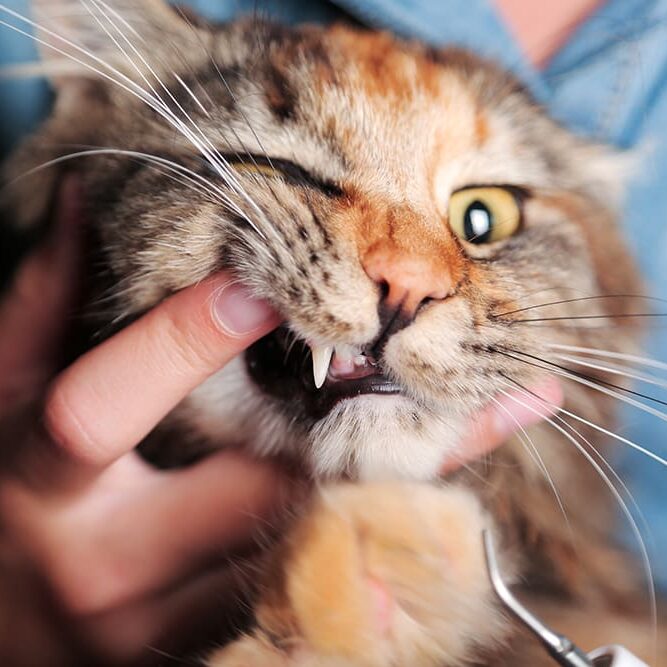
Most pets return home the same day as their dental cleaning. Your pet may seem sleepy, unsteady, quieter than usual, or less interested in food during the first several hours after anesthesia. These effects should gradually improve as the anesthesia leaves your pet’s system.
We will provide discharge instructions based on the procedure your pet received. Instructions may cover feeding, activity, home monitoring, follow-up care, and when to restart toothbrushing.
Pets that have teeth extracted or receive additional oral treatment may need a longer recovery period. They may require softer food, restricted chewing, or a recheck visit while the mouth heals. Follow the instructions provided by our veterinary team rather than returning immediately to hard treats, bones, or chew toys.
How Can I Care for My Pet’s Teeth at Home?
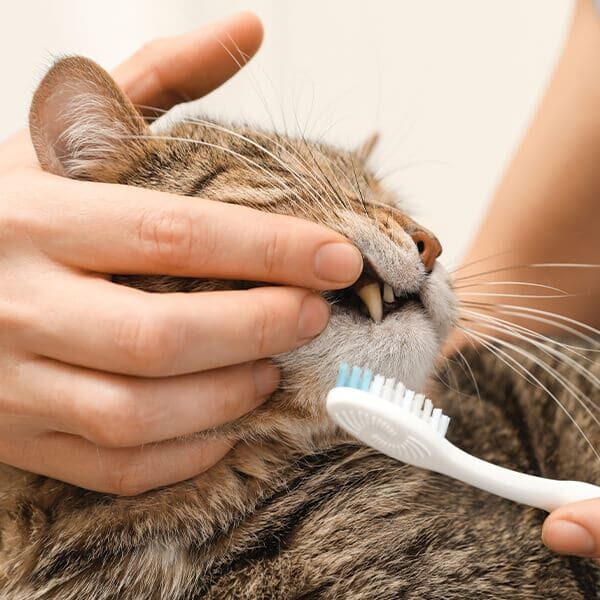
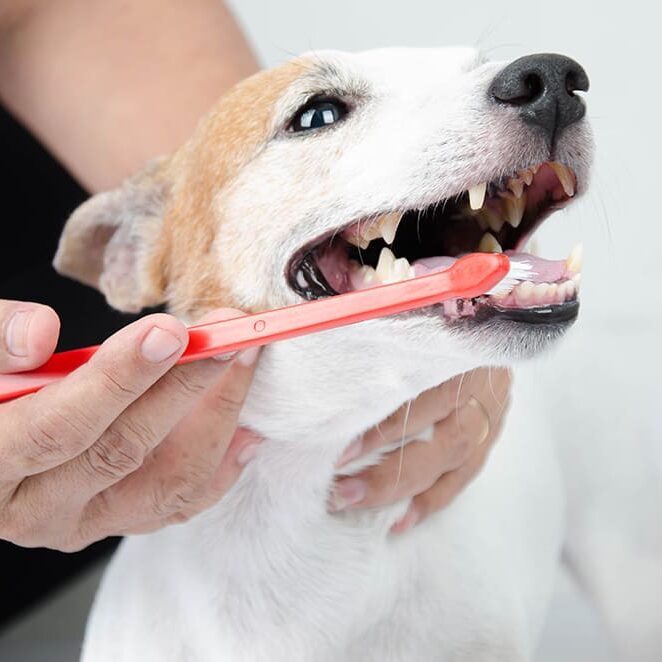
Plaque begins collecting again soon after a dental cleaning, so consistent home care can help protect the results of the procedure. Brushing your pet’s teeth with a toothbrush and toothpaste made specifically for dogs or cats offers one of the most effective ways to reduce plaque between veterinary visits.
Introduce toothbrushing gradually and keep each session calm and brief. Begin by allowing your pet to become comfortable with having their lips and mouth handled before adding a toothbrush.
Some pets will not tolerate brushing. Our team can recommend other dental-care options based on your pet’s needs, preferences, and chewing habits. These may include veterinary-approved dental diets, treats, chews, rinses, or water additives.
Avoid using human toothpaste, which may contain ingredients that pets should not swallow. You should also avoid very hard objects that could fracture a tooth.
Keep Your Pet’s Smile Bright and Healthy
Professional dental care can address problems hidden beneath the gum line and help your pet maintain a cleaner, more comfortable mouth. Partners Animal Hospital Greenville provides dental examinations, dental X-rays, and cat and dog teeth cleaning for pets throughout Greenville and the surrounding communities.
Call (864) 743-1419 or book an appointment online to discuss your pet’s dental health and recommended cleaning schedule.