Foreign Body Ingestions Rise in Fall: Corn Cobs, Skewers, and Bones
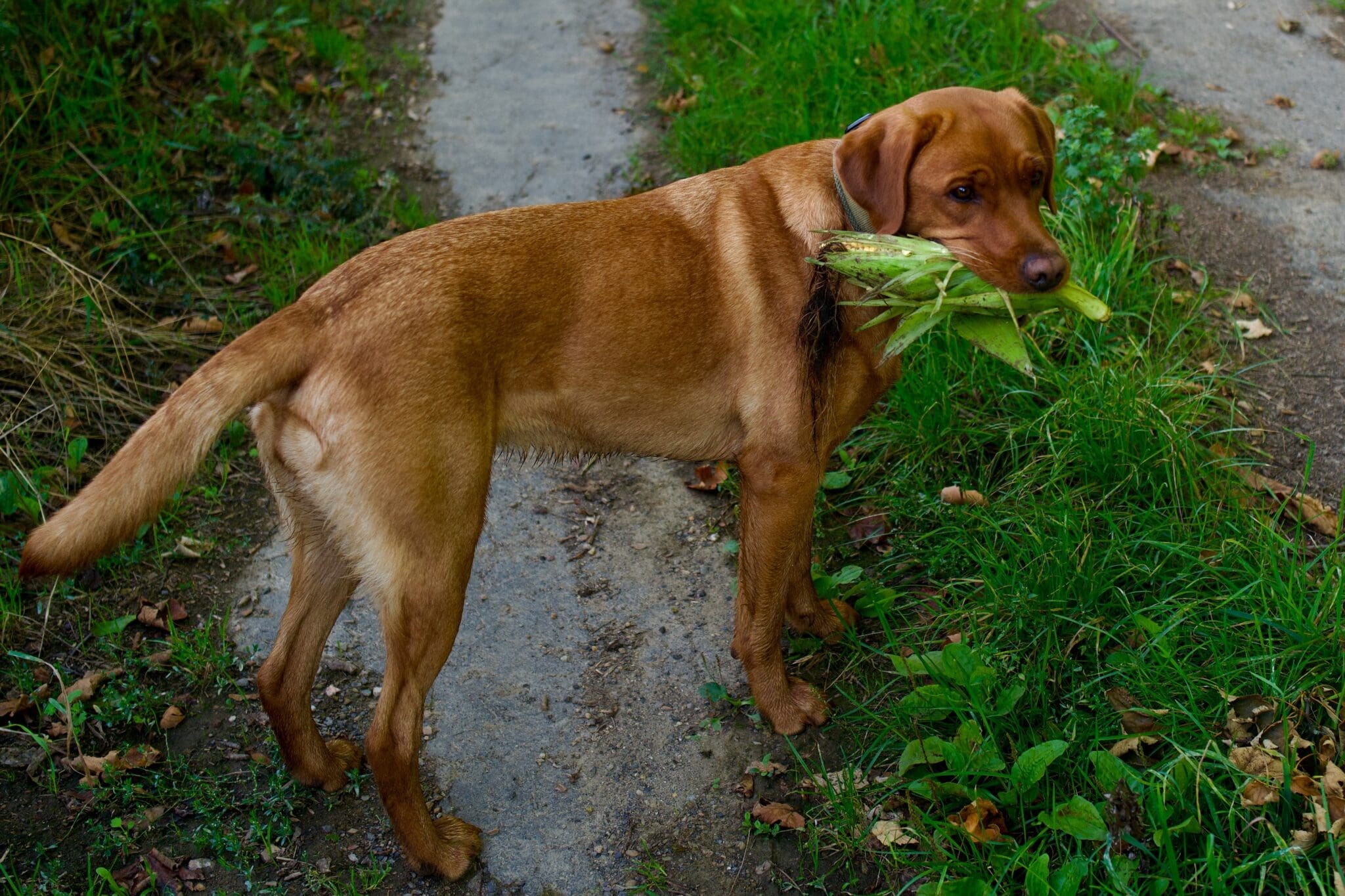
Fall brings backyard barbecues, family gatherings, and festive feasts—but it also brings an increase in foreign body ingestions among pets. Every autumn, veterinarians see a sharp rise in dogs (and occasionally cats) who’ve swallowed something they shouldn’t have.
Common Culprits
Some of the most dangerous items that pets swallow during fall celebrations include:
- Corn cobs – Can easily lodge in the intestines and require surgery.
- Skewers or toothpicks – Sharp objects that can puncture the stomach or intestines.
- Cooked bones – Especially poultry and pork bones, which splinter and cause internal injury.
- Fat trimmings or grease – Can trigger pancreatitis, a painful and potentially life-threatening condition.
- Food wrappers, foil, and plastic bags – Can cause intestinal blockages.
Signs Your Pet May Have Ingested a Foreign Object
- Vomiting or retching
- Loss of appetite
- Abdominal pain or bloating
- Straining or inability to pass stool
- Lethargy or restlessness
If you notice any of these symptoms, seek veterinary care immediately. Waiting too long can make the situation far more dangerous.
Diagnosis and Treatment
Your veterinarian will likely perform X-rays or an ultrasound to locate the object. Some foreign bodies can be removed endoscopically, but many require surgery to prevent rupture or infection.
The good news? Prompt treatment often leads to a full recovery.
Preventing Fall Food Emergencies
- Keep leftovers and trash well out of reach.
- Supervise pets closely at gatherings.
- Remind guests not to share table scraps or bones.
- Provide safe chew toys to keep pets occupied.
If you suspect your pet has swallowed something they shouldn’t, call Partners Animal Hospital Greenville right away. Quick action can make all the difference in preventing serious complications.
Recent Posts
About Us
At Partners Veterinary Group, we believe in energizing our team members through shared values, while helping them create value for our clients and patients. Knowing we can help make pets’ and people’s lives better motivates us to continually strive for excellence and love what we do.
Our team consistently works to build educational, supportive, and cooperative work environments that cater to positive experiences and professional growth. We’re constantly evolving, creating innovative ways to deliver cutting-edge medicine to our patients. We equip our teams with tools to enhance their skills and improve their knowledge.