Pet Obesity: The Hidden Health Risks Every Owner Should Know
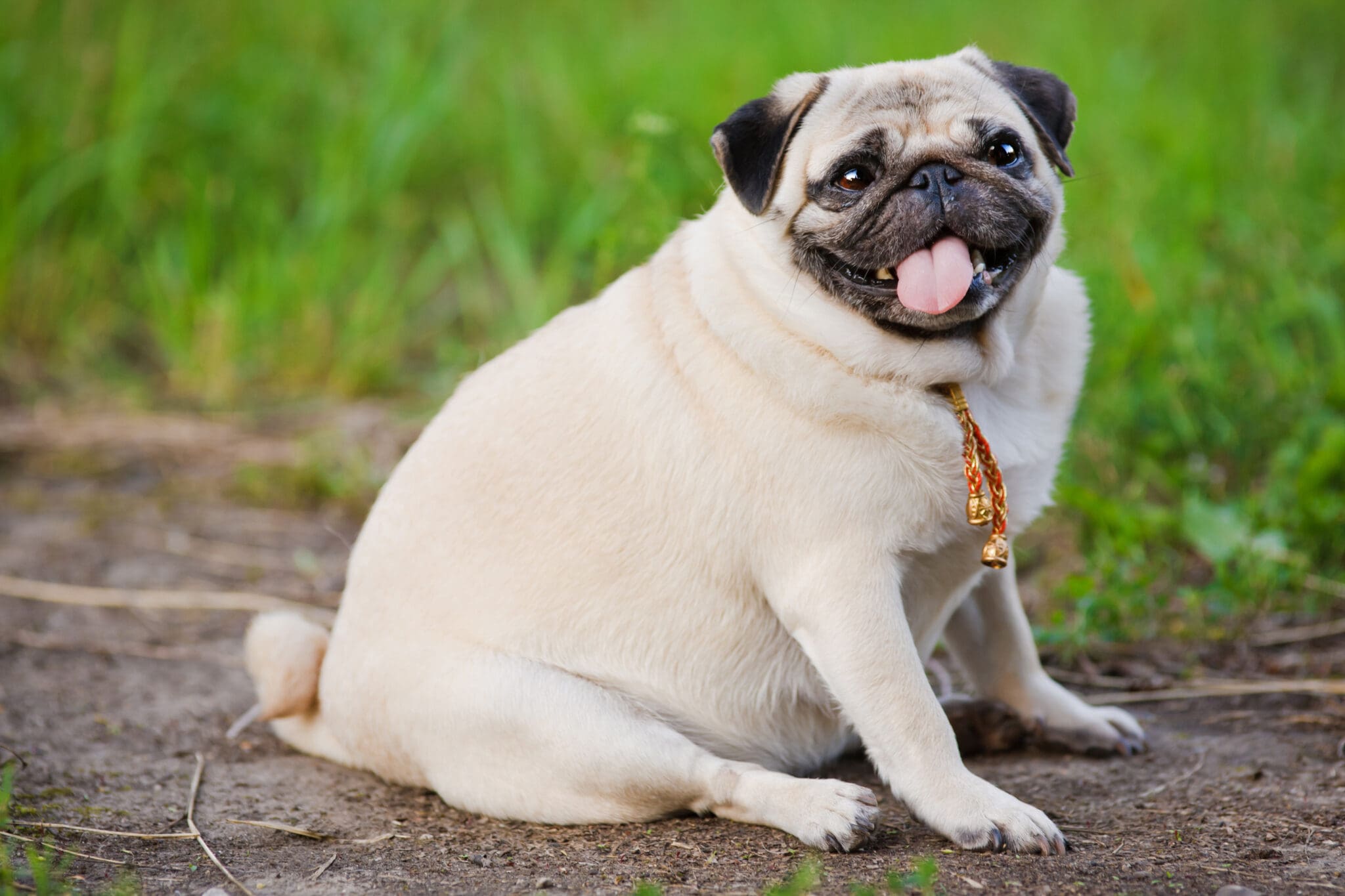
When you look at your pet, you probably see unconditional love, a wagging tail, or a gentle purr—not a number on the scale. But just like in humans, maintaining a healthy weight is one of the most important ways to help your pet live a long, active, and pain-free life.
Unfortunately, pet obesity has quietly become one of the most common—and preventable—health problems veterinarians see today.
How Common Is Pet Obesity?
According to the Association for Pet Obesity Prevention, over 50% of dogs and nearly 60% of cats in the U.S. are considered overweight or obese. That means more than half of our furry friends are at risk for serious health complications that can shorten their lifespan.
The cause isn’t usually a lack of love—it’s often too much of it. Treats, table scraps, and sedentary lifestyles all add up over time. Because weight gain happens slowly, many pet owners don’t notice until their pet is significantly overweight.
The Hidden Health Risks of Pet Obesity
Carrying even a few extra pounds can have a major impact on your pet’s body. Some of the most common obesity-related health risks include:
1. Joint and Mobility Issues
Excess weight puts added strain on your pet’s joints and ligaments, often leading to arthritis, hip dysplasia, or torn ligaments—especially in large-breed dogs. Cats, too, can develop painful joint stiffness that limits their mobility.
2. Diabetes Mellitus
Overweight pets are far more likely to develop diabetes due to insulin resistance. Managing this disease requires daily insulin injections and strict dietary control—something no pet parent wants to face if it can be prevented.
3. Heart and Respiratory Problems
Extra body fat can make it harder for your pet’s heart and lungs to function efficiently. This can lead to difficulty breathing, reduced stamina, and a higher risk during anesthesia.
4. Shortened Lifespan
Studies show that overweight dogs can live up to two years less than those at a healthy weight. Obesity also reduces quality of life, making it harder for pets to play, explore, and enjoy their daily activities.
5. Skin and Grooming Problems
Overweight pets often struggle to groom themselves properly, which can lead to matting, skin infections, and odor—especially in cats who rely on self-cleaning to stay healthy.
How to Tell If Your Pet Is Overweight
It’s not always obvious when a pet is overweight, especially under all that fur. Here’s a quick at-home check:
- Ribs: You should be able to feel your pet’s ribs easily without pressing hard, but they shouldn’t be visibly protruding.
- Waist: Viewed from above, your pet should have a visible waistline between the ribs and hips.
- Abdomen: From the side, there should be a slight “tuck-up” behind the ribcage—not a sagging belly.
If you’re unsure, your veterinarian can assess your pet’s Body Condition Score (BCS)—a standardized scale that helps determine whether your pet is underweight, overweight, or at an ideal body weight.
Why Prevention Is the Best Medicine
It’s always easier to prevent weight gain than to reverse it. Regular wellness exams, portion control, and staying active together are the foundation of lifelong health.
Beyond the physical benefits, helping your pet maintain a healthy weight improves energy levels, mobility, and overall happiness. A pet that feels good is a pet that enjoys life to the fullest—whether that’s hiking, chasing toys, or curling up next to you at the end of the day.
Need Help Managing Your Pet’s Weight?
Every pet’s journey to a healthy weight is different, and having professional guidance makes all the difference.
If you’re concerned about your dog or cat’s weight, the team at Partners Animal Hospital Greenville can help you develop a safe, effective weight management plan tailored to your pet’s unique needs. Call us today or book an appointment online to schedule a wellness exam or nutrition consultation—and take the first step toward a healthier, happier life for your pet.
Recent Posts
About Us
At Partners Veterinary Group, we believe in energizing our team members through shared values, while helping them create value for our clients and patients. Knowing we can help make pets’ and people’s lives better motivates us to continually strive for excellence and love what we do.
Our team consistently works to build educational, supportive, and cooperative work environments that cater to positive experiences and professional growth. We’re constantly evolving, creating innovative ways to deliver cutting-edge medicine to our patients. We equip our teams with tools to enhance their skills and improve their knowledge.