
The Four Stages of Periodontal Disease in Pets Explained
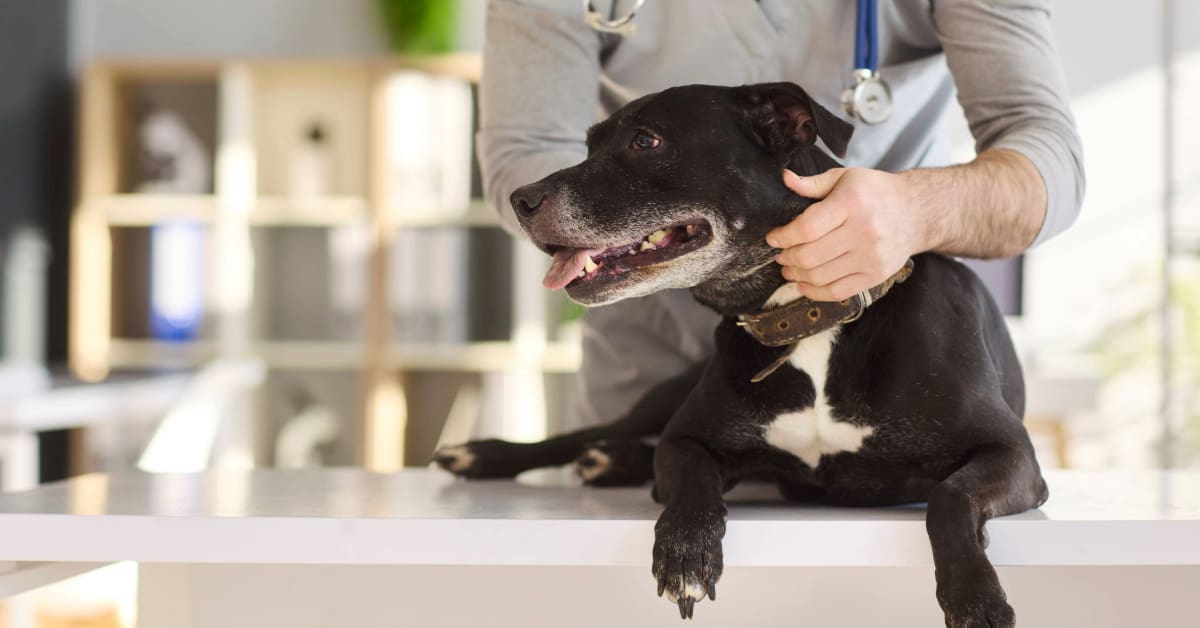
The four stages of periodontal disease in pets are gingivitis, early periodontitis, moderate periodontitis, and advanced periodontitis, each marking a deeper level of damage to the tissue and bone that support the teeth. Periodontal disease is progressive, which means it moves through these stages over time rather than appearing all at once, and catching it early makes a real difference in how much treatment your pet eventually needs. Because the early stages of periodontal disease in pets often show few obvious symptoms, many owners don’t realize anything is wrong until the disease has already advanced. Our team at Partners Animal Hospital Greenville walks owners through this staging system regularly, since it’s the same framework veterinarians use to guide every treatment decision.
What Are the Four Stages of Periodontal Disease in Dogs and Cats?
Veterinarians classify the stages of periodontal disease in pets using a numbered system, from Stage 1 through Stage 4, based on how much attachment loss has occurred around each tooth.
Stage 1: Gingivitis
The earliest of the stages of periodontal disease in pets is gingivitis, which involves inflammation of the gum tissue without any loss of the bone or ligament that anchors the tooth. Gums may appear red or slightly swollen, and mild bleeding can occur during chewing or brushing. This stage is fully reversible with a professional cleaning, which is part of why catching periodontal disease this early matters so much for long-term outcomes.
Stage 2: Early Periodontitis
At this point in the stages of periodontal disease in pets, up to twenty-five percent of the attachment around the tooth has been lost. Pockets may begin forming between the gum and tooth, though damage is still limited and often manageable with prompt care. Some pets show no outward discomfort at this stage, even though changes are already visible on dental X-rays.
Stage 3: Moderate Periodontitis
Moderate periodontitis involves twenty-five to fifty percent attachment loss. Teeth may start to feel slightly loose, and deeper pockets allow bacteria to accumulate below the gumline, accelerating damage to the surrounding bone. By this point, the disease process has usually been active for a considerable stretch of time, even if visible symptoms only recently appeared.
Stage 4: Advanced Periodontitis
The final of the stages of periodontal disease in pets involves more than fifty percent attachment loss. Teeth often become mobile or painful, and extraction becomes a likely part of treatment at this stage, since the supporting structure can no longer hold the tooth securely in place. Pets at this stage may also show systemic effects, since chronic oral infection can place ongoing stress on the rest of the body.
How Can You Tell If Your Pet’s Dental Disease Is Getting Worse?
Because the stages of periodontal disease in pets progress gradually, spotting a shift from one stage to the next isn’t always obvious without a professional exam.
Signs You Might Notice at Home
Watch for changes such as increasingly bad breath, visible tartar buildup along the gumline, reluctance to eat hard food or chew toys, and pawing at the face or mouth. A pet that suddenly favors one side of the mouth while eating may be experiencing pain associated with advancing periodontal disease. Cats in particular may become more withdrawn or irritable when handled near the face, which owners sometimes mistake for a behavioral change rather than a dental one.
What Your Veterinarian Looks For During an Exam
Your veterinarian evaluates the stages of periodontal disease in pets using probing depths around each tooth, X-rays to assess bone loss beneath the surface, and a visual check for loose or fractured teeth. Since a large share of the damage happens below the gumline, imaging is often the only way to accurately determine which stage a pet has reached. Measuring pocket depth at multiple points around each tooth also helps identify whether damage is localized to one area or spread more broadly across the mouth.
A few warning signs are worth watching for between visits:
- Disproportionate pawing at the ears or face that goes beyond normal grooming
- Noticeable weight loss even when the food bowl looks mostly empty by the end of the day
- A faint clicking or grinding sound during chewing that wasn’t there before
Can Periodontal Disease Be Treated at Every Stage?
Treatment options exist at each of the stages of periodontal disease in pets, though what’s possible narrows considerably as the disease advances.
Treating Early Stages
In Stage 1 and Stage 2 of the stages of periodontal disease in pets, a professional dental cleaning combined with polishing can often halt or even reverse the damage, particularly at the gingivitis stage before bone loss has occurred. Consistent follow-up cleanings help keep the disease from progressing further, and many pets return to a completely normal exam once the initial cleaning is complete.
Managing Advanced Stages
By Stage 3 and Stage 4, treatment shifts toward managing existing damage rather than reversing it. This may involve deep cleaning below the gumline, targeted antibiotics, or extraction of teeth that can no longer be saved. The goal at these later stages of periodontal disease in pets is to eliminate the source of pain and infection so the pet can eat comfortably again, even if some affected teeth cannot be preserved. Your veterinarian will typically discuss which teeth are salvageable and which are better removed before any procedure takes place.
A few practical details help set expectations once a treatment plan is in place:
- Follow-up timing often depends on how much bone support remains around the affected teeth
- Most pets return to normal eating within a few days of a dental procedure, under veterinary guidance
- A written treatment plan typically outlines costs and next steps before any procedure begins
What Factors Influence How Quickly Periodontal Disease Progresses?
Not every pet moves through the stages of periodontal disease in pets at the same pace, and several factors can speed up or slow down that progression. Understanding these factors doesn’t change the exam schedule your veterinarian recommends, but it can help explain why two pets in the same household sometimes end up at very different points in the disease process.
Breed and Size Considerations
Small and toy breed dogs tend to be more prone to rapid periodontal disease progression due to crowded teeth and less bone density supporting each tooth. Cats can also progress through the stages of periodontal disease in pets differently than dogs, sometimes developing a related condition that causes painful inflammation of the gums around otherwise healthy-looking teeth. Flat-faced breeds of both species often face additional risk, since their crowded jaw structure leaves less room between teeth for normal self-cleaning to occur.
Age and Overall Health
Older pets and those with certain underlying health conditions may see faster progression through the stages of periodontal disease in pets, since immune function and healing capacity change with age. Genetics also play a role in how thick and resilient the gum tissue and supporting bone are to begin with. Two pets of the same breed and age can land at very different stages depending on these individual factors, which is part of why regular veterinary monitoring matters more than assumptions based on age alone.
Why Early Action Matters for Your Pet’s Mouth
Catching the stages of periodontal disease in pets early gives your pet the best chance at a simple, reversible treatment rather than a more involved one down the road. Partners Animal Hospital Greenville recommends a dental evaluation at the first sign of bad breath, visible tartar, or a change in eating habits, since early intervention tends to be far less invasive than treatment for advanced disease. Regular checkups allow your veterinarian to track where your pet falls within the stages of periodontal disease in pets before problems become painful or expensive to correct. Because so much of periodontal disease develops out of sight, scheduled exams remain the most reliable way to catch changes before your pet shows any obvious discomfort. Call us at (864) 743-1419 or book an appointment online today. A little attention now can spare your pet significant discomfort later.
Recent Posts
About Us
At Partners Veterinary Group, we believe in energizing our team members through shared values, while helping them create value for our clients and patients. Knowing we can help make pets’ and people’s lives better motivates us to continually strive for excellence and love what we do.
Our team consistently works to build educational, supportive, and cooperative work environments that cater to positive experiences and professional growth. We’re constantly evolving, creating innovative ways to deliver cutting-edge medicine to our patients. We equip our teams with tools to enhance their skills and improve their knowledge.