Signs Your Dog is Having Trouble Chewing
If your dog is turning away from meals, dropping food, or chewing only on one side of the mouth, you may be seeing early signs of trouble chewing. Dogs are experts at hiding pain, so changes in how they eat, play, or handle toys are often the first clue that something is wrong. Left unaddressed, dog trouble chewing can point to dental disease, a broken tooth, or a painful mouth injury that will only get worse with time. Recognizing these warning signs early gives your veterinarian the best chance to diagnose the problem and get your dog back to eating comfortably. At Partners Animal Hospital Greenville, our team sees dog trouble chewing cases regularly, and catching the signs sooner rather than later makes a real difference in your dog’s comfort and long-term health.
What Are the Most Common Signs Your Dog Is Having Trouble Chewing?
Dog trouble chewing rarely looks the same in every dog, which is part of why it can be easy to miss. Some dogs slow down gradually over weeks, while others show a sudden and obvious change in how they approach their food bowl or favorite chew toy.
Changes at Mealtime
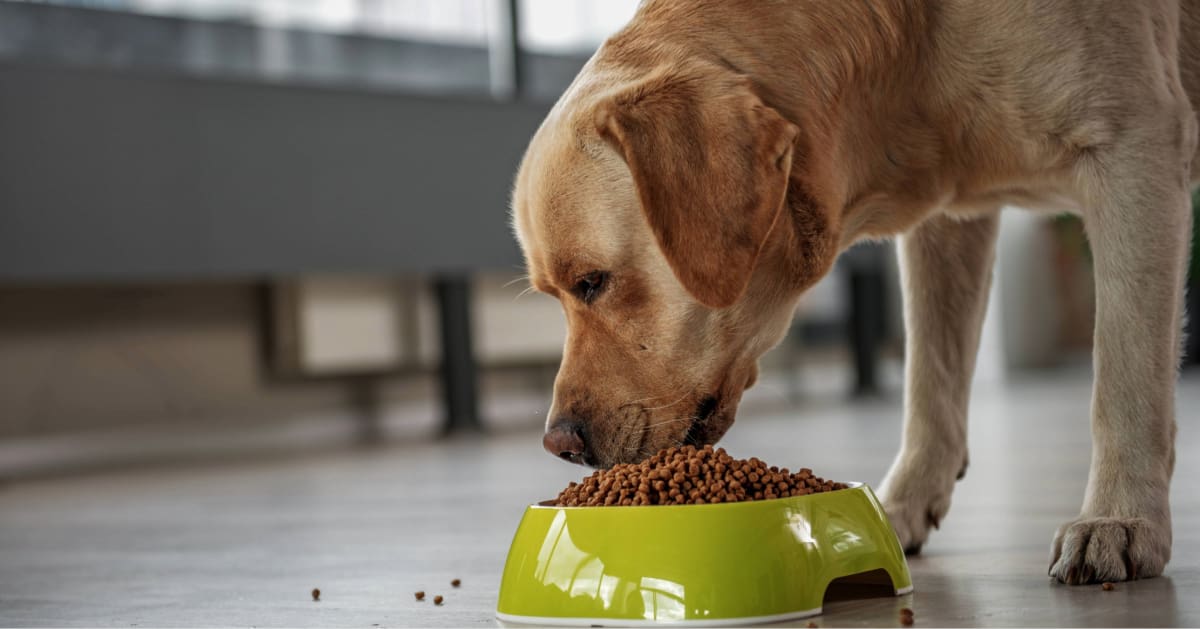
One of the clearest indicators of dog trouble chewing shows up during meals. A dog that normally finishes a bowl in seconds may suddenly hesitate, sniff the food repeatedly, or walk away without finishing. You might also notice your dog swallowing kibble whole instead of chewing it, tilting the head to one side while eating, or dropping food out of the mouth mid-bite.
Behavioral and Physical Clues
Dog trouble chewing can also show up away from the food bowl. Watch for pawing at the mouth or face, excessive drooling, reluctance to pick up toys, or a noticeable drop in interest in chew treats that were once favorites. Some dogs become head-shy and pull away when you try to touch their muzzle.
A few signs are worth flagging right away if you notice them:
- Bad breath that seems sudden or unusually strong, which can point to infection rather than routine tartar buildup
- Visible swelling along the jawline or under one eye, which can indicate an abscessed tooth root
- Blood on chew toys, bedding, or in the water bowl, even without an obvious wound in the mouth
Because dog trouble chewing often develops slowly, comparing your dog’s current eating habits to how they behaved a few months ago can help you spot the pattern faster than watching day to day.
What Dental Problems Can Make It Painful for Dogs to Eat?
Understanding what causes dog trouble chewing helps explain why the signs above matter so much. Several dental and oral conditions are common culprits behind painful chewing in dogs of every age and breed.
Periodontal Disease
Periodontal disease is one of the most frequent causes of dog trouble chewing in adult and senior dogs. As plaque hardens into tartar below the gumline, it triggers inflammation that loosens the tissue and bone supporting the teeth. By the time visible tartar or red gums appear, the disease process has often been active for months, making normal chewing increasingly uncomfortable.
Fractured or Broken Teeth
Dogs that chew on hard objects such as antlers, bones, or ice are at risk of fracturing a tooth, which is a common and often overlooked cause of dog trouble chewing. A fractured tooth can expose the sensitive inner pulp, creating sharp pain whenever pressure is applied during eating. Some fractures are obvious, while others are small chips that are easy to miss without a close oral exam.
Oral Masses and Growths
Less commonly, dog trouble chewing stems from a growth or mass inside the mouth. These can appear on the gums, tongue, or roof of the mouth and may interfere mechanically with normal chewing, or cause pain when the dog bites down.
A short list of additional contributors rounds out the picture:
- Retained baby teeth in young dogs, which can crowd adult teeth and create painful pressure points
- Jaw misalignment or malocclusion, which causes teeth to strike each other or the gums abnormally during chewing
- Foreign objects lodged between teeth or against the gumline, such as splinters or fibrous plant material
When Should You Schedule a Veterinary Dental Exam for Your Dog?
Timing matters when it comes to dog trouble chewing, since dental pain tends to compound rather than resolve on its own. Knowing when to bring your dog in can prevent a manageable issue from turning into a more serious one.
Signs That Warrant a Prompt Visit
If your dog has stopped eating altogether, is losing weight, or shows facial swelling alongside dog trouble chewing, that combination signals a need for a same-week or same-day appointment rather than a routine checkup. Sudden onset, especially after chewing on a hard object, also deserves quicker attention.
Routine Monitoring Still Matters
Even without an emergency, dog trouble chewing that shows up gradually is worth mentioning at your dog’s next wellness visit. Annual dental checks allow your veterinarian to examine the mouth, teeth, and gumline for problems that are not yet obvious at home, since much of the earliest dental disease hides below the gumline where owners cannot see it.
A few practical steps can help the visit go smoothly, whatever the urgency level:
- Note when the change in chewing started and whether it followed a specific chew toy or treat, since that timeline helps narrow down the cause
- Ask the front desk whether a same-day slot is available if symptoms appeared suddenly, since many practices hold room in the schedule for urgent dental concerns
- Bring a list of any chew toys, bones, or treats your dog has regular access to, since certain textures are more likely to cause fractures
Our team at Partners Animal Hospital Greenville can help determine which category your dog’s symptoms fall into and recommend an appropriate next step based on a hands-on oral exam.
What Happens During a Dental Evaluation at Partners Animal Hospital Greenville?
Once you’ve scheduled a visit for dog trouble chewing, knowing what the appointment involves can help set expectations for you and your dog.
The Initial Oral Exam
Your veterinarian will start with a visual and physical exam of the mouth, checking for loose or fractured teeth, gum inflammation, swelling, and any visible masses. Because dogs are not always cooperative patients for a thorough look, this initial exam is often used to determine whether a more detailed evaluation under anesthesia is needed to fully assess the cause of dog trouble chewing.
Imaging and Diagnostics
Dental X-rays are frequently recommended, since a large portion of each tooth sits below the gumline where problems are invisible to the naked eye. These images help our veterinary team identify root abscesses, bone loss, or fractures that would otherwise go undetected during a routine visual check. Because dogs need to hold perfectly still for accurate imaging, this step typically happens while your dog is under light sedation or general anesthesia, which also allows our veterinary team to probe each tooth for hidden pockets of infection. Combining a physical exam with imaging gives a far more complete picture of what’s driving dog trouble chewing than either step could provide on its own.
Discussing Next Steps
After the exam and any diagnostics, your veterinarian will walk you through what they found and outline recommended next steps for addressing the underlying cause of dog trouble chewing. Every treatment plan is tailored to the individual dog, since the right approach depends heavily on which condition is identified. You’ll also have a chance to ask questions about recovery timelines, follow-up visits, and what changes to expect in your dog’s eating habits once the underlying problem has been addressed. Clear communication at this stage helps you feel confident about the plan moving forward, rather than guessing at what comes next.
Helping Your Dog Eat Comfortably Again
Dog trouble chewing is one of those symptoms that’s easy to dismiss as a quirky habit, but it usually has a specific, identifiable cause. Partners Animal Hospital Greenville encourages pet owners across Greenville to take mealtime changes seriously and schedule an exam sooner rather than later. A timely dental evaluation can identify what’s behind your dog’s discomfort and put them on the path toward eating, chewing, and playing without pain.
Trust your instincts if something seems off at mealtime, since you know your dog’s normal habits better than anyone else. Dogs cannot tell you in words when something hurts, so the way they approach food, toys, and treats often carries the message instead. Call us at (864) 743-1419 or book an appointment online. Paying attention now, rather than waiting for the problem to worsen, gives your dog the best shot at a comfortable recovery and a return to pain-free mealtimes.
Recent Posts
About Us
At Partners Veterinary Group, we believe in energizing our team members through shared values, while helping them create value for our clients and patients. Knowing we can help make pets’ and people’s lives better motivates us to continually strive for excellence and love what we do.
Our team consistently works to build educational, supportive, and cooperative work environments that cater to positive experiences and professional growth. We’re constantly evolving, creating innovative ways to deliver cutting-edge medicine to our patients. We equip our teams with tools to enhance their skills and improve their knowledge.