
Why Does My Cat Have Bloody Saliva?
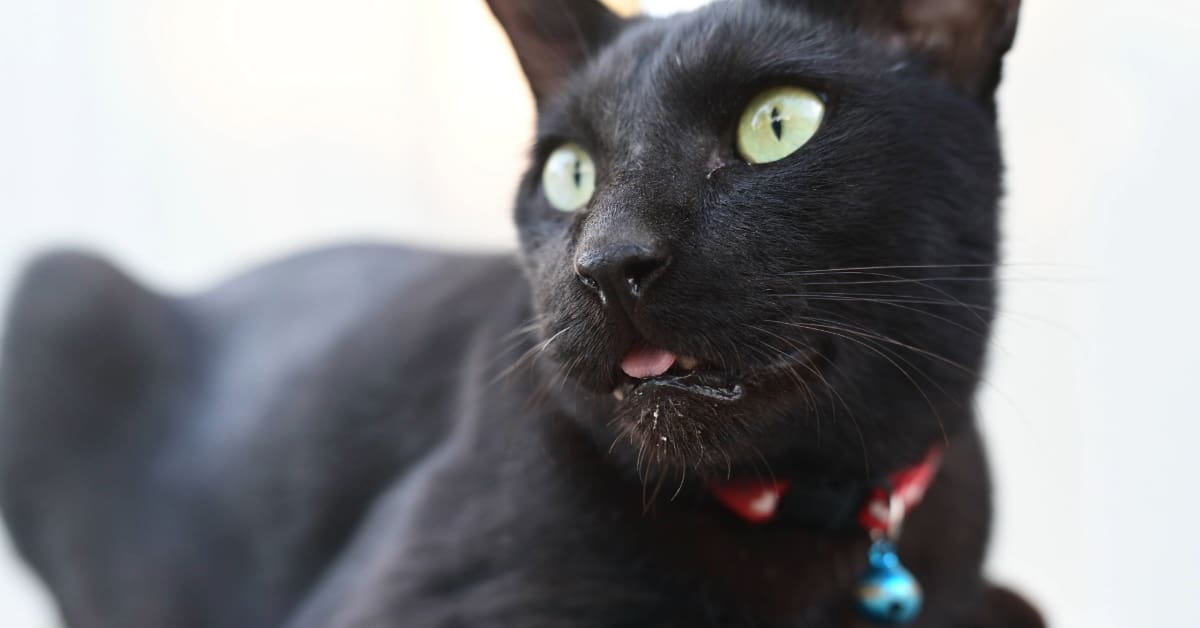
Cat bloody saliva usually points to an issue somewhere in the mouth, though it can occasionally trace back to a problem elsewhere in the body. Any streaks of pink or red in drool, on toys, or around the food bowl are worth taking seriously, even if your cat seems to be acting normally otherwise. Cat bloody saliva can range from a minor irritation that resolves on its own to a sign of advancing dental disease or a more urgent medical issue. Because cats are naturally good at masking discomfort, bleeding in the mouth is sometimes the first visible clue that something needs attention, even when nothing else about their behavior seems out of the ordinary. Partners Animal Hospital Greenville can evaluates cat for this exact symptom, and understanding the most common causes can help you decide how quickly to schedule a visit.
What Causes Bloody Saliva in Cats?
A wide range of issues can produce cat bloody saliva, from something as simple as a minor scrape to something that requires prompt veterinary attention.
Oral and Dental Irritation
Cat bloody saliva often starts with something physical inside the mouth, such as a foreign object lodged between the teeth, a sharp piece of kibble or bone fragment, or trauma from a fall or fight with another animal. Chewing on an electrical cord or a sharp toy can also cause localized bleeding that shows up in the saliva shortly afterward. Outdoor cats face additional risk from plant material, thorns, or small sticks that can become lodged along the gumline without an owner noticing right away.
Non-Dental Causes
Not every case of bloody saliva originates in the mouth. Respiratory infections, certain toxin exposures, and clotting disorders can all produce blood that mixes with saliva even when the mouth itself looks normal on a quick glance. Nosebleeds in cats can also appear as bloody saliva if the blood drains toward the back of the throat rather than out through the nostril. Because these non-dental causes can look nearly identical to a dental problem at first glance, a veterinary exam is usually needed to tell them apart.
What Dental Diseases Can Lead to Bleeding in a Cat’s Mouth?
Dental disease explains a substantial portion of cat bloody saliva cases, especially in middle-aged and senior cats, since years of plaque accumulation gradually wear down the gum tissue.
Gum Inflammation From Tartar Buildup
Tartar accumulating along the gumline sets off an inflammatory response that leaves gum tissue thinner and more prone to bleeding during normal chewing. Cat bloody saliva stemming from periodontal disease often appears gradually, worsening as the underlying inflammation spreads and deepens around the roots of the teeth. Some cats show only minor bleeding at first, which can make the early stages easy to overlook unless your veterinarian examines the mouth up close.
Feline Stomatitis
Stomatitis is a painful inflammatory condition that affects the tissue throughout a cat’s mouth, not just around the teeth. Cats with stomatitis often show more dramatic bleeding than those with periodontal disease alone, along with drooling, reluctance to eat, and visible discomfort when the mouth is touched. Unlike ordinary gum disease, stomatitis can affect cats whose teeth otherwise look perfectly fine, which sometimes makes the diagnosis less obvious at first glance. Because the condition tends to be chronic and can recur even after treatment, cats with stomatitis often need ongoing monitoring rather than a single fix.
Watch for these accompanying signs as well:
- Noticeably foul breath that seems to have worsened recently
- Increased face-rubbing against furniture, bedding, or the floor
- Dropping food during meals despite appearing hungry
When Is Bloody Saliva in Cats an Emergency?
Not every instance of cat bloody saliva requires an immediate visit, but certain combinations of symptoms call for urgent attention instead of a routine appointment.
When to Head to the Vet Right Away
If bloody saliva appears alongside difficulty breathing, significant lethargy, repeated vomiting, or a large amount of visible blood, that combination calls for an emergency visit instead of the next open appointment. Trauma from a fall, fight, or car accident should also be treated as urgent, even if the bleeding itself looks minor at first, since internal injuries aren’t always obvious from the outside.
When a Routine Visit Will Do
A small amount of blood-tinged saliva in an otherwise normal, active, eating cat is often appropriate to address at the next available appointment rather than an emergency visit, though it still deserves a veterinary exam. If the bleeding appears to have stopped and your cat is behaving normally, calling ahead to describe what you observed can help the front desk determine how soon to schedule the visit, and it gives the veterinary team a chance to flag anything that sounds more urgent before you arrive.
A quick reference can help you decide how to respond:
- Seek emergency care if your cat is unusually withdrawn, cold to the touch, or unresponsive to you
- Schedule a prompt appointment if bleeding returns more than once within a week, even if your cat otherwise seems fine
- Mention it at the next wellness visit if it happened only once and your cat’s appetite and energy stayed normal afterward
How Do Veterinarians Diagnose the Source of Bloody Saliva?
After scheduling a visit for cat bloody saliva, the diagnostic process typically starts with a thorough physical exam, since the source of bleeding isn’t always obvious from a quick look at home.
What the First Exam Involves
Your veterinarian will ask about when the bleeding started, how often it occurs, and whether it’s tied to specific activities like eating or chewing. Your veterinarian will then look closely at the teeth, gums, and throat for visible wounds, tumors, or areas of inflammation that could explain the bleeding. Access to the outdoors, recent fights with other animals, or any household hazards your cat may have chewed on can also help narrow down the likely cause.
Bloodwork and Further Testing
If the initial exam doesn’t reveal an obvious cause, bloodwork, imaging, or a closer oral exam under sedation may be recommended to look for problems that aren’t visible during a routine check. These additional steps help rule out non-dental causes of cat bloody saliva, such as clotting disorders or masses located further back in the mouth or throat. A sedated exam in particular allows a much more thorough look at areas of the mouth that are difficult to see in an awake, moving cat, and it often gives the clearest picture of whether the bleeding is coming from the gums, the teeth, or somewhere further back in the mouth.
This Symptom Deserves a Prompt Response
Cat bloody saliva is easy to shrug off as a passing fluke, especially when it stops on its own. Schedule an exam at Partners Animal Hospital Greenville any time you notice blood in your cat’s saliva, since the underlying cause can range from a minor irritation to something requiring prompt treatment. Call us at (864) 743-1419 or book an appointment online today. The earlier your veterinarian can examine your cat, the more treatment options tend to stay on the table. Because a cat’s mouth can be painful long before appetite or energy levels change, this particular symptom often surfaces before anything else does. Trust what you’re seeing, since cats rarely show obvious signs of pain until a problem has already progressed.
Recent Posts
About Us
At Partners Veterinary Group, we believe in energizing our team members through shared values, while helping them create value for our clients and patients. Knowing we can help make pets’ and people’s lives better motivates us to continually strive for excellence and love what we do.
Our team consistently works to build educational, supportive, and cooperative work environments that cater to positive experiences and professional growth. We’re constantly evolving, creating innovative ways to deliver cutting-edge medicine to our patients. We equip our teams with tools to enhance their skills and improve their knowledge.