
The Partners Blog
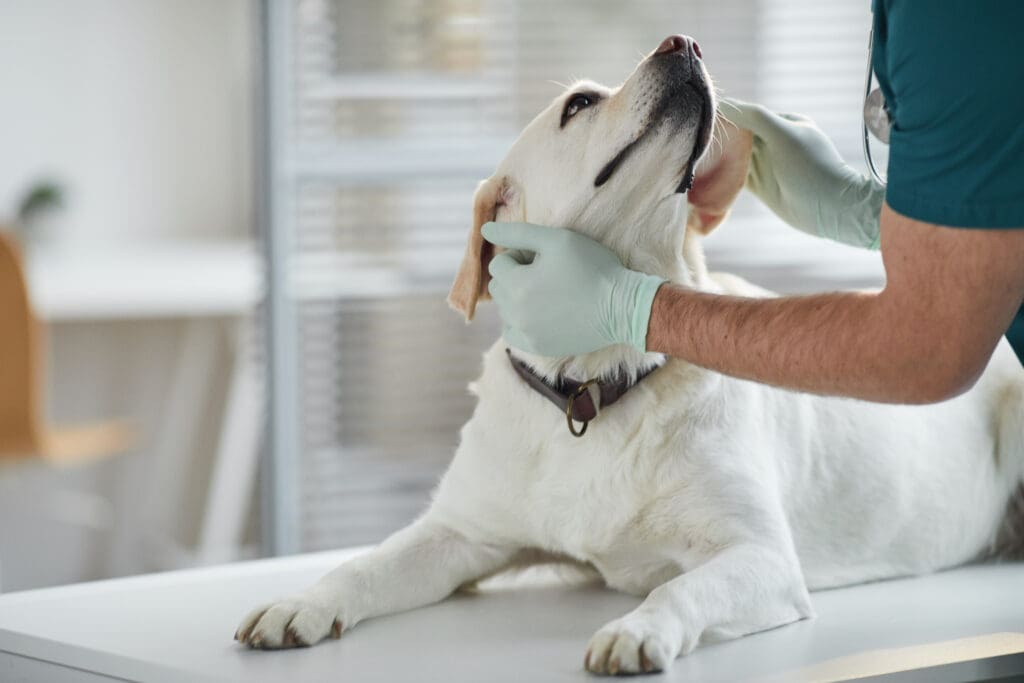
The Ultimate Guide to Wellness Plans for Dogs and Cats
As pet parents, we all want our dogs and cats to live long, healthy, and happy lives. But between vaccines, exams, and preventive treatments, it can be easy to lose track of what your pet needs—or struggle to budget for it all at once. That’s where wellness plans come in....

Pet Obesity: The Hidden Health Risks Every Owner Should Know
When you look at your pet, you probably see unconditional love, a wagging tail, or a gentle purr—not a number on the scale. But just like in humans, maintaining a healthy weight is one of the most important ways to help your pet live a long, active, and pain-free life....

Pet Emergencies 101: What Every Owner Should Know
Accidents can happen in an instant, and when they do, every second counts. Knowing how to recognize a pet emergency—and what to do next—can save your pet’s life. Recognizing a True Emergency Some signs are obvious, but others can be easy to overlook. Contact your veterinarian or the nearest emergency...
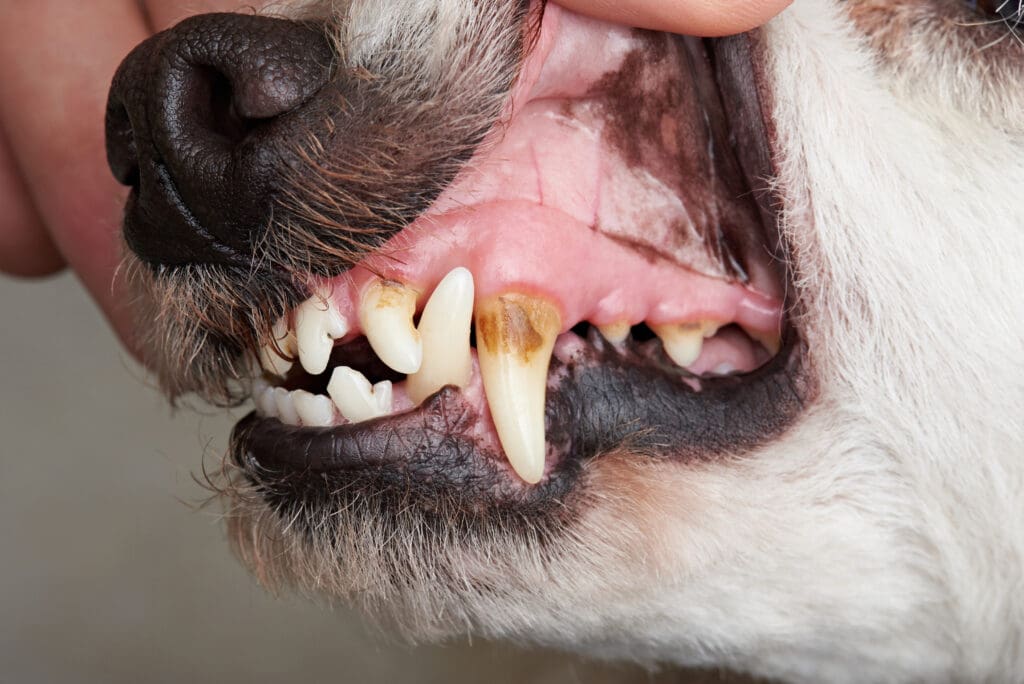
Periodontal Disease in Pets: Why Dental Care Matters More Than You Think
Most pet parents don’t think about dental health until they notice bad breath—but by then, periodontal disease may already be causing pain and damage beneath the surface. Dental health is about much more than a bright smile—it’s an essential part of your pet’s overall wellbeing. What Is Periodontal Disease? Periodontal...

Kennel Cough: How to Protect Your Dog
If your dog suddenly develops a persistent, hacking cough that sounds like something stuck in their throat, they may have kennel cough—a contagious respiratory infection that spreads quickly among dogs. While it’s usually mild, kennel cough can make your pet uncomfortable and, in some cases, lead to more serious illness....

Foreign Body Ingestions Rise in Fall: Corn Cobs, Skewers, and Bones
Fall brings backyard barbecues, family gatherings, and festive feasts—but it also brings an increase in foreign body ingestions among pets. Every autumn, veterinarians see a sharp rise in dogs (and occasionally cats) who’ve swallowed something they shouldn’t have. Common Culprits Some of the most dangerous items that pets swallow during...
Xylitol Poisoning in Dogs: The Hidden Toxic Sweetener in Candies
Many sugar-free products seem harmless—but for dogs, they can be deadly. The culprit is xylitol, a common sugar substitute found in candies, gum, baked goods, and even some peanut butters. Why Xylitol Is Dangerous In humans, xylitol is safe. But in dogs, it triggers a rapid release of insulin, leading...

Diabetes in Cats: Symptoms and Veterinary Management
Feline diabetes is a growing concern—and often, the earliest symptoms go unnoticed. Understanding the signs and how to manage this condition can help your cat live a long, happy life. What Is Feline Diabetes? Diabetes mellitus occurs when the body can’t properly regulate blood sugar levels due to a lack...

Hot Spots in Dogs: Why They Develop and How Vets Treat Them
If your dog suddenly starts scratching, licking, or chewing a patch of skin until it becomes red, oozing, or painful, they may have a hot spot—also called acute moist dermatitis. Hot spots are inflamed, irritated areas of skin that can develop quickly and become very uncomfortable for your dog. Understanding...

Aggression or Sudden Behavior Changes: Could It Be Medical?
Behavior changes in dogs or cats are often blamed on training issues—but sometimes, sudden aggression, irritability, or withdrawal can be a signal of an underlying medical problem. Common Medical Causes of Behavior Changes Pain: Arthritis, dental disease, or internal injury can make pets irritable or defensive. Neurological conditions: Seizures, tumors,...