Vaccines 101: Which Ones Your Pet Actually Needs
If you’ve ever wondered which vaccines your pet actually needs, you’re asking exactly the right question. Not every pet requires the same vaccines for my pet conversation looks the same, it depends on your animal’s species, age, lifestyle, and risk factors. At Partners Animal Hospital Greenville, our veterinarians take a personalized approach to pet vaccination, making sure every dog and cat receives the protection they genuinely need, and nothing they don’t.
What Are Pet Vaccines and How Do They Work?
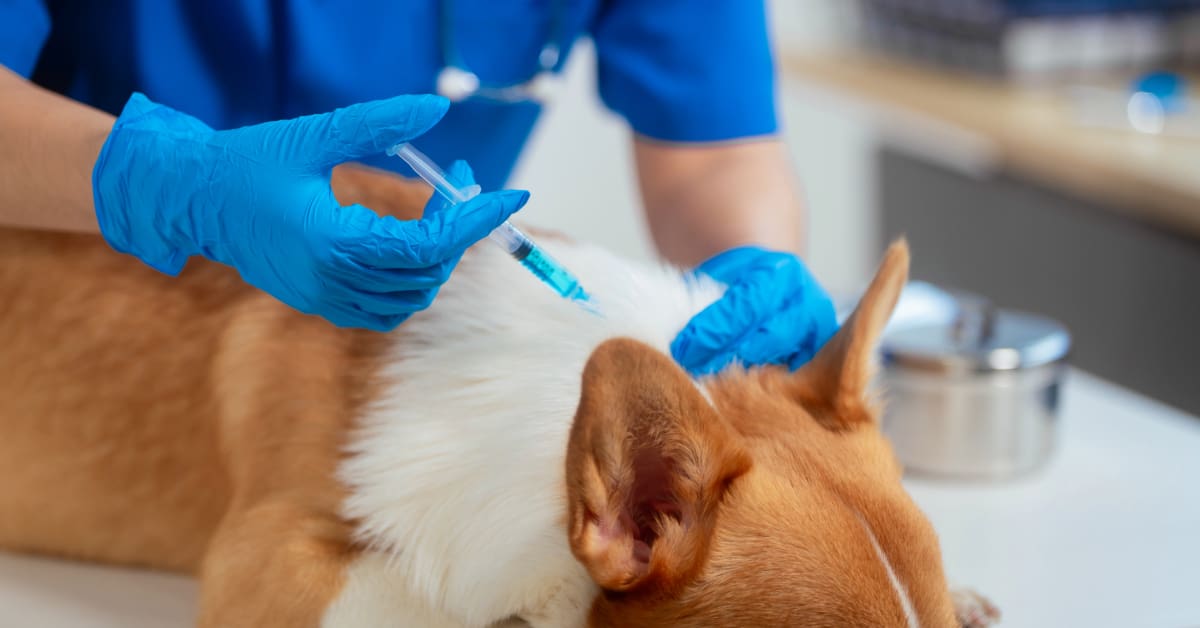
Pet vaccines work by introducing a harmless form of a disease-causing organism into your pet’s body, stimulating the immune system to produce a protective response. If your pet is ever exposed to the real disease, their immune system is already prepared to fight it off quickly and effectively.
Vaccines for pets are divided into two main categories: core vaccines, which are recommended for all pets regardless of lifestyle, and non-core (or lifestyle) vaccines, which are recommended based on your pet’s specific risk of exposure. Understanding this distinction helps pet owners make informed decisions alongside their veterinarian.
Are Pet Vaccines Safe?
Yes. Pet vaccines have an excellent safety record and are rigorously tested before approval. The vast majority of pets tolerate vaccines very well. Mild, short-lived reactions like slight lethargy or soreness at the injection site are normal and temporary. Serious adverse reactions are rare. At Partners Animal Hospital Greenville, our team monitors your pet after vaccination and is always available to answer questions about what to expect.
Core Vaccines: What Every Dog Needs
When pet owners ask, “What vaccines does my dog need?”, the answer always starts with core vaccines. These are recommended by veterinary organizations for all dogs because the diseases they prevent are serious, widespread, or pose a risk to public health.
The core dog vaccines recommended at Partners Animal Hospital Greenville include:
- Rabies: Required by law in South Carolina and critical for public health. Protects against a fatal virus that can be transmitted to humans.
- Distemper (DA2PP or DHPP): A combination vaccine that protects against canine distemper, adenovirus (hepatitis), parainfluenza, and parvovirus. Parvovirus is especially dangerous in puppies and unvaccinated dogs.
- Leptospirosis: Protects against a life-threatening, zoonotic bacterial infection that causes severe organ damage and can spread from dogs to humans.
Puppies typically receive a series of DA2PP vaccines starting at 6 to 8 weeks of age, with boosters every 3 to 4 weeks until 16 weeks old. Adult dogs receive boosters on a schedule determined by vaccine type and your veterinarian’s protocol.
Non-Core (Lifestyle) Vaccines for Dogs
Beyond core vaccines, your dog’s specific lifestyle determines what additional protection is appropriate. At Partners Animal Hospital Greenville, your veterinarian will ask about your dog’s daily activities, boarding history, and exposure to other animals to recommend the right lifestyle vaccines.
Common non-core vaccines for dogs include:
- Bordetella (Kennel Cough): Recommended for dogs that board, attend doggy daycare, visit dog parks, or interact regularly with other dogs. Bordetella is highly contagious and spreads easily in group settings.
- Lyme Disease: Recommended for dogs in tick-prone areas or those who spend significant time outdoors in wooded or grassy environments. Greenville, SC has active tick populations, making this vaccine relevant for many local dogs.
- Canine Influenza (Dog Flu): Recommended for dogs with high social exposure, including those that frequent boarding facilities, dog shows, or doggy daycares.
Core Vaccines: What Every Cat Needs
When it comes to vaccines for my cat, the same core vs. non-core framework applies. Core cat vaccines protect against diseases that are highly contagious, severe, or pose a risk to human health.
Core vaccines recommended for all cats at Partners Animal Hospital Greenville include:
- Rabies: Required by law in South Carolina for cats. Fatal and transmissible to humans, rabies vaccination is non-negotiable for all pets.
- FVRCP (Feline Viral Rhinotracheitis, Calicivirus, and Panleukopenia): Often called the “feline distemper” combination vaccine. Protects against three of the most common and serious feline diseases. Panleukopenia (feline parvovirus) is especially dangerous and often fatal in unvaccinated cats.
Like puppies, kittens receive a series of FVRCP vaccines beginning at 6 to 8 weeks of age, with boosters every 3 to 4 weeks through 16 weeks. Adult cats then follow a booster schedule based on veterinary guidelines and individual risk assessment.
Non-Core (Lifestyle) Vaccines for Cats
Whether your cat goes outdoors, lives with other cats, or visits a boarding facility affects which additional vaccines your veterinarian may recommend. Some of the most commonly discussed lifestyle vaccines for cats include:
- Feline Leukemia Virus (FeLV): Strongly recommended for outdoor cats or cats that live with FeLV-positive animals. FeLV is a serious, contagious retrovirus that weakens the immune system and can lead to cancer. Many veterinarians at Partners Animal Hospital Greenville also recommend it for all kittens during their initial vaccine series.
- Feline Immunodeficiency Virus (FIV): Discussed for cats at elevated risk of exposure, particularly those that spend time outdoors or fight with other cats.
- Chlamydia and Bordetella: Occasionally recommended in multi-cat households or environments where upper respiratory infections are a recurring problem.
How Do Vets Decide Which Vaccines Your Pet Needs?
A great veterinarian doesn’t hand every pet the same vaccine list. At Partners Animal Hospital Greenville, our team conducts what’s called a lifestyle risk assessment during your pet’s wellness exam. This is a conversation about where your pet goes, who they interact with, what their health history looks like, and whether they travel.
That information, combined with your pet’s vaccination history and current health status, guides the vaccine recommendations you’ll receive. The goal is optimal protection without over-vaccinating. Some adult pets may be on a three-year schedule for certain vaccines, while others benefit from annual boosters. Your veterinarian will explain what’s right for your individual pet.
Does My Indoor Pet Need Vaccines?
Yes. Even indoor-only cats and dogs benefit from core vaccines. Rabies vaccination is required by South Carolina law regardless of whether your pet goes outside. Beyond legal requirements, diseases like panleukopenia and parvovirus can be carried indoors on shoes, clothing, or other animals. No indoor environment is completely risk-free, and vaccines for pets provide a level of protection that can’t be replicated any other way.
Puppy and Kitten Vaccine Schedules Explained
Young pets need a series of vaccines, not just one or two, because their immune systems are still developing. Maternal antibodies passed through a mother’s milk can actually interfere with early vaccines, which is why the series is spaced at specific intervals to ensure immunity takes hold.
A typical puppy vaccine schedule at Partners Animal Hospital Greenville looks like this:
- 6 to 8 weeks: First DA2PP, possible Bordetella
- 10 to 12 weeks: DA2PP booster, Bordetella, Leptospirosis, lifestyle vaccines
- 14 to 16 weeks: DA2PP booster, Rabies, remaining lifestyle vaccines
- 12 to 16 months: DA2PP booster, Rabies booster (required one year after first dose)
Kitten schedules follow a similar pattern, with FVRCP and Rabies as the cornerstones. Your veterinarian will build a personalized schedule at your first visit.
A Vaccination Plan Built Around Your Pet
The best vaccination plan is one that’s tailored to your pet’s actual life, not a one-size-fits-all checklist. At Partners Animal Hospital Greenville, our veterinary team takes the time to understand your pet’s lifestyle, history, and health before making any vaccine recommendations. We believe in educating pet owners so they feel confident and informed, not just going through the motions of a routine visit.
If you’re not sure which vaccines your pet is current on, or if your new puppy or kitten needs to start their vaccine series, we’re here to help. Contact Partners Animal Hospital Greenville at (864) 743-1419 or book an appointment online. Together, we’ll build a protection plan that gives your pet the best possible start and keeps them healthy for years to come.
Recent Posts
About Us
At Partners Veterinary Group, we believe in energizing our team members through shared values, while helping them create value for our clients and patients. Knowing we can help make pets’ and people’s lives better motivates us to continually strive for excellence and love what we do.
Our team consistently works to build educational, supportive, and cooperative work environments that cater to positive experiences and professional growth. We’re constantly evolving, creating innovative ways to deliver cutting-edge medicine to our patients. We equip our teams with tools to enhance their skills and improve their knowledge.