
My Cat Has a Broken Tooth: What Should I Do?
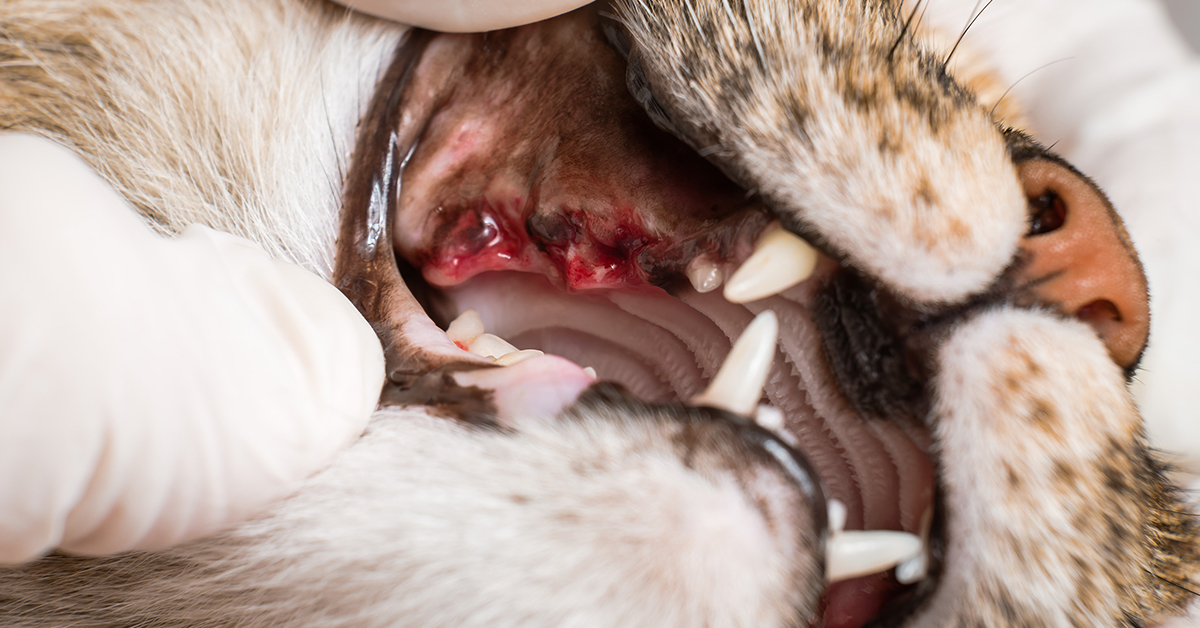
If you spot that your cat has a broken tooth, the best next step is to schedule a dental exam with your veterinarian promptly, even if your cat still seems to be eating normally. Many fractured teeth expose the sensitive pulp inside, which can cause ongoing pain and lead to infection beneath the gumline. Cats are remarkably good at masking discomfort, so a tooth that looks like a small chip on the surface can hide a much bigger problem underneath. At Partners Animal Hospital in Greenville, SC, we see feline dental fractures more often than many owners expect, and we know how unsettling that discovery can be. In this guide, we’ll walk through what typically causes a fractured tooth, the signs that point to one, why most breaks need professional attention, and the treatment options your veterinary team may recommend. With a little knowledge, you can act quickly and help your cat get back to comfortable chewing, grooming, and playing.
What Could Cause a Broken Tooth in a Cat?
A broken tooth in cats usually results from either physical trauma or an underlying dental condition that weakens the tooth over time.
Accidents and Physical Trauma
One of the most frequent reasons for a broken tooth is a sudden impact. Falls, car accidents, rough play with other pets, and collisions with furniture can all fracture a tooth. Indoor cats aren’t immune, either. A misjudged leap from a countertop or a scuffle with a housemate can crack a canine tooth just as easily as an outdoor mishap. The long, pointed canines are the most commonly fractured teeth in cats because they sit at the front of the mouth and take the brunt of any impact.
Chewing on Hard Objects
Although cats chew less aggressively than dogs, some cats gnaw on hard plastic, bones, or metal items. Repeated pressure on the same spot can eventually lead to a broken tooth in a cat, particularly if the enamel is already thin or compromised.
Dental Disease and Tooth Resorption
Not every fracture starts with an injury. Tooth resorption, a painful condition common in adult cats, gradually breaks down tooth structure from the inside out and is a leading cause of a broken tooth in middle-aged and older felines. Eventually, the weakened crown may snap off, leaving root fragments behind. Advanced periodontal disease can also loosen and weaken teeth, making them more likely to break.
Common contributors to feline tooth fractures include:
- Jumping or falling from high perches such as shelves, cat trees, or balconies
- Fights with other cats or play sessions that get too rough
- Biting down on crate doors, cage bars, or other hard surfaces during stressful moments
- Tooth resorption or periodontal disease that erodes the tooth over time
- Age-related wear in senior cats
How Can You Tell if Your Cat Has a Broken Tooth?
Spotting a fractured tooth isn’t always easy, because cats rarely cry out or stop eating altogether when their mouths hurt.
Visible Clues in the Mouth
If your cat allows a quick peek, look at the canine teeth first. The classic sign of a broken tooth in a cat is a shortened canine, a jagged edge, or a tooth that looks noticeably different from its partner on the opposite side. You may also see a pink, red, or dark spot in the center of the broken surface. That spot is often exposed pulp, which means nerves and blood vessels are open to bacteria. Over time, a fractured tooth may turn gray or brown as the pulp inside dies. Avoid prying your cat’s mouth open if they resist, since a painful cat may bite.
Behavior Changes Worth Noting
A broken tooth often shows up as subtle shifts in routine rather than obvious distress. Watch for:
- Chewing on only one side of the mouth or dropping kibble while eating
- Preferring soft food or walking away from the bowl partway through a meal
- Pawing at the face or rubbing the mouth against furniture
- Drooling, sometimes with traces of blood
- Bad breath that seems stronger than usual
- Less grooming, leading to a greasy or unkempt coat
- Hiding, irritability, or reluctance to be touched around the head
Swelling under the eye or along the jaw can signal a tooth root abscess, which needs prompt veterinary attention. If you notice any of these changes, calling Partners Animal Hospital to schedule an oral exam is the safest move.
Does Every Broken Tooth Need Treatment by a Vet?
Yes, every broken tooth in a cat should be evaluated by a veterinarian, though not every fracture requires the same level of treatment.
Understanding Fracture Types
Veterinarians generally sort tooth fractures into two broad categories. An uncomplicated fracture affects only the enamel and dentin, the outer layers of the tooth. A complicated fracture extends deep enough to expose the pulp, the living tissue that contains nerves and blood vessels. Because a cat’s teeth are small and their enamel layer is thin, even a fracture that looks minor can reach the pulp quickly. In fact, many feline canine fractures are complicated simply because the pulp sits so close to the surface.
Why Waiting Can Make Things Worse
Leaving a broken tooth untreated gives bacteria from the mouth a direct path down into the root canal. The result may be chronic pain, infection, bone loss around the root, or an abscess that spreads into the surrounding tissues. These problems don’t always appear right away, and a cat may continue eating while quietly dealing with significant discomfort. Delaying care often turns a straightforward procedure into a more involved one.
What Your Vet Will Look For
During a cat’s exam for a broken tooth, your veterinarian will assess the tooth’s appearance, check for swelling or tenderness, and evaluate your cat’s overall oral health. Dental X-rays taken under anesthesia are essential, since much of each tooth lies below the gumline where problems can’t be seen during an awake exam. Imaging reveals whether the root is intact, whether infection is present, and whether resorption is affecting nearby teeth.
What Are the Treatment Options for a Broken Tooth in Cats?
Treatment for a broken tooth in a cat depends on the type of fracture, the health of the root, and your cat’s overall condition, and your veterinarian will tailor a plan after reviewing dental X-rays.
Tooth Extraction
Extraction is the most common solution for a broken tooth. Removing the damaged tooth, including every root fragment, eliminates the source of pain and infection. Many owners worry about how their cat will eat afterward, but cats adapt remarkably well, even after losing several teeth. Most return to their regular diet once the surgical site heals.
Root Canal Therapy and Vital Pulp Therapy
For certain fractures, especially in large canine teeth, a root canal may preserve the tooth. This procedure removes the infected or damaged pulp, cleans and disinfects the canal, and seals it. When a fracture is very recent, vital pulp therapy may be an option to keep the tooth alive. These advanced procedures are often performed by board-certified veterinary dentists, and your veterinarian can discuss whether a referral makes sense for your cat.
Monitoring Minor Fractures
Occasionally, a small enamel chip that hasn’t reached the pulp may only need smoothing and ongoing monitoring with periodic X-rays. Your veterinarian will decide whether this approach is appropriate based on imaging results.
A typical feline dental procedure visit involves:
- Pre-anesthetic bloodwork to confirm your cat is a good candidate for anesthesia
- General anesthesia with continuous monitoring of heart rate, breathing, and temperature
- Full-mouth dental X-rays to evaluate every tooth, not just the broken one
- A professional cleaning and a thorough assessment of the gums
- Pain management and clear discharge instructions from your veterinary team
Schedule a Dental Exam for Your Cat in Greenville, SC
A broken tooth in a cat is more than a cosmetic issue. It’s often a source of hidden pain that deserves prompt attention. The sooner your veterinarian evaluates the fracture, the more treatment options you’re likely to have, and the faster your cat can feel like themselves again. Routine wellness visits and annual dental exams also help catch weakened or resorbing teeth before they break. Whether you suspect your cat broke a tooth or simply want a closer look at your pet’s oral health, the team at Partners Animal Hospital is here to help. We provide thorough feline dental evaluations, digital dental X-rays, and gentle care designed with your cat’s comfort in mind. Call us at (864) 743-1419 to schedule an appointment for your cat in Greenville, SC, and let us help your feline friend get back to pain-free purring, playing, and mealtimes.
Recent Posts
About Us
At Partners Veterinary Group, we believe in energizing our team members through shared values, while helping them create value for our clients and patients. Knowing we can help make pets’ and people’s lives better motivates us to continually strive for excellence and love what we do.
Our team consistently works to build educational, supportive, and cooperative work environments that cater to positive experiences and professional growth. We’re constantly evolving, creating innovative ways to deliver cutting-edge medicine to our patients. We equip our teams with tools to enhance their skills and improve their knowledge.