Why Won’t My Dog Eat Hard Food? Could It Be Tooth Pain?
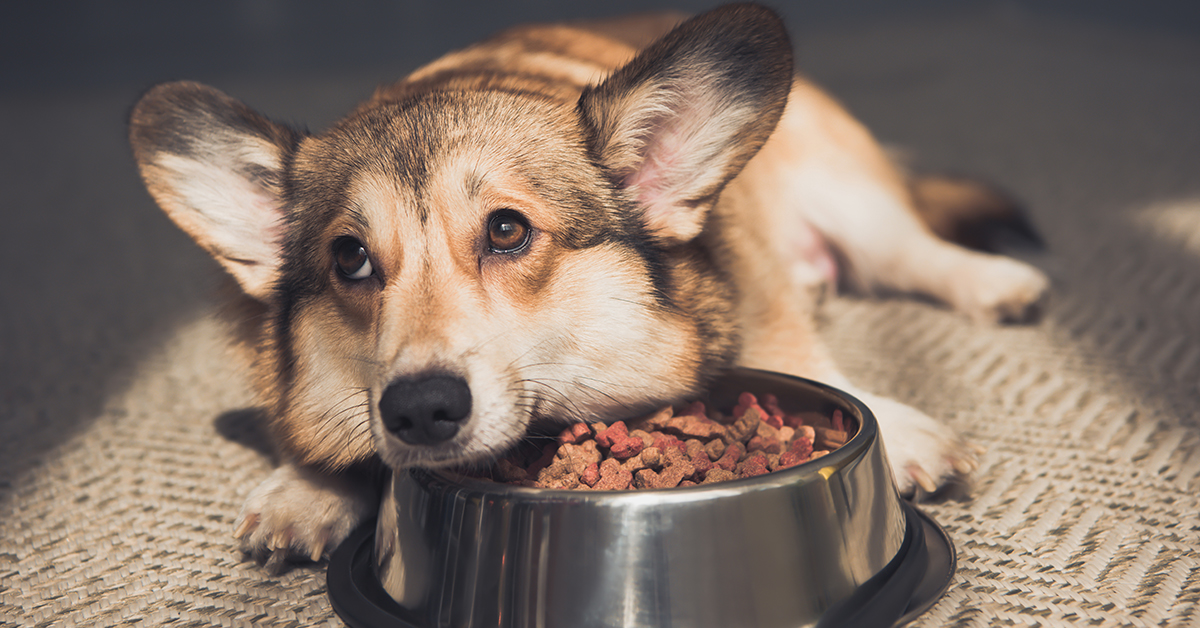
If your dog won’t eat hard food but still accepts soft food or treats, tooth pain is one of the most common explanations, and a veterinary dental exam is the best way to find the cause. Crunching kibble puts direct pressure on the teeth and gums, so a sore tooth, inflamed gums, or a hidden infection can turn mealtime into an uncomfortable experience. Dogs rarely whimper or show obvious signs when their mouths hurt. Instead, they quietly change how they eat, and those subtle shifts are easy to miss. At Partners Animal Hospital in Greenville, SC, we often meet dogs whose owners first noticed a problem when the food bowl stayed half full. In this article, we’ll explore why dogs stop eating dry food, which dental conditions make chewing painful, when to schedule an exam, and how your veterinarian pinpoints what’s going on in your dog’s mouth.
Why Do Dogs Stop Eating Hard Food?
A dog won’t eat hard food for a variety of reasons, but most fall into three categories: dental discomfort, other medical issues, and food or behavior changes.
Dental Discomfort Comes First
Mouth pain is a leading reason a dog won’t eat hard food while still showing interest in meals. Kibble requires firm biting and grinding, which can press on a cracked tooth, an infected root, or swollen gums. Many dogs adapt by swallowing pieces whole, chewing on one side, or dropping food from their mouths. Others walk away from the bowl entirely, then eagerly accept softer foods that require little chewing.
Other Health Concerns
Not every case starts with the teeth. Nausea, digestive upset, and illnesses affecting the kidneys, liver, or pancreas can reduce appetite. Jaw injuries, problems with the jaw joint, and growths in the mouth or throat can also make chewing difficult. Because these conditions can look similar at home, a veterinary exam helps sort out whether the mouth or another body system is responsible.
Food and Lifestyle Factors
Sometimes a dog won’t eat hard food for reasons unrelated to pain. A few non-medical causes include:
- Stale or improperly stored kibble that has lost its aroma
- A recent switch to a new brand or formula
- Kibble pieces that are too large for a small dog’s mouth
- Stress from a move, new pet, or change in household routine
- Learned pickiness after frequent table scraps or extra treats
Even when a non-medical explanation seems likely, it’s wise to rule out dental and health problems first, especially if the change is sudden.
What Dental Problems Can Make Chewing Painful for Dogs?
Several common dental conditions can cause enough discomfort that your dog won’t eat hard food or chews more cautiously than usual.
Dental problems that frequently affect chewing include:
- Periodontal disease: Infection and inflammation of the tissues that support the teeth
- Fractured teeth: Breaks that expose the sensitive pulp, often from chewing hard objects
- Tooth root abscesses: Pockets of infection at the base of a tooth that can cause facial swelling
- Retained baby teeth: Puppy teeth that don’t fall out and crowd the adult teeth
- Oral masses: Growths on the gums, tongue, or jaw that interfere with eating
- Foreign objects: Sticks, bone fragments, or splinters wedged between teeth or across the roof of the mouth
Periodontal Disease: The Most Common Culprit
Periodontal disease affects most dogs by age three. It begins when plaque hardens into tartar and bacteria spread below the gumline. Over time, the infection damages the ligaments and bone that hold teeth in place, leading to tender gums, loose teeth, and chronic pain. Because so much of this damage happens beneath the gums, a dog with periodontal disease may have a mouth that looks only mildly dirty on the surface. Many owners are surprised to learn their dog won’t eat hard food because of gum disease, even when they see little more than a bit of tartar.
Broken Teeth and Hidden Infections
Dogs who chew antlers, hard bones, rocks, or cage bars are especially prone to tooth fractures. The upper fourth premolar, a large chewing tooth near the back of the mouth, is one of the most commonly broken teeth in dogs. A fracture that reaches the pulp allows bacteria inside the tooth, which can eventually form an abscess. Swelling below the eye is a classic sign of an infected upper premolar root.
When Should Your Dog Be Examined for Tooth Pain?
Any time your dog won’t eat hard food for more than a day or two, it’s a good idea to schedule a veterinary visit rather than wait for the problem to resolve.
Watch for these clues that your dog’s mouth may be hurting:
- Odor from the mouth that has grown noticeably stronger
- Tilting the head or chewing with only one side of the mouth
- Kibble left scattered around the bowl
- Blood on chew toys or in the water dish
- Reluctance to play tug or pick up favorite toys
- Flinching when you touch the face or muzzle
Situations That Call for Prompt Attention
Some signs warrant a call to your veterinarian the same day. Facial swelling, a visibly broken tooth, heavy drooling, bleeding from the mouth, or refusing all food and water point to problems that shouldn’t wait. These situations may involve infection or significant pain, and early care helps limit complications.
Why Waiting Rarely Helps
Dental problems almost never improve on their own. A dog who adjusts by eating less or chewing carefully is still living with discomfort, and untreated infections can progress and affect other teeth. Scheduling an exam early gives your veterinarian more options and helps your dog feel better sooner.
Senior Dogs and Small Breeds Deserve Extra Attention
Older dogs and toy breeds are more likely to develop advanced dental disease, so when a senior or small dog won’t eat hard food, mouth pain is a more likely cause than pickiness. If your dog falls into either group, mention any change in eating habits at your next visit, or call sooner if the change is sudden. At Partners Animal Hospital, we look closely at these higher-risk dogs during every wellness exam so problems are caught before they affect appetite. Telling your veterinarian exactly when your dog won’t eat hard food and what they will eat instead gives the team valuable clues.
How Will Your Veterinarian Find the Cause?
Pinpointing why a dog won’t eat hard food usually involves a combination of a physical exam, an oral exam, and, in many cases, dental imaging.
The Initial Exam
Your veterinarian will start by asking about your dog’s eating habits, recent changes at home, and any other symptoms you’ve noticed. A physical exam helps rule out illnesses outside the mouth. During the awake oral exam, your veterinarian will look for tartar, gum redness, broken or loose teeth, swelling, and masses. Bloodwork may be recommended to check organ function and confirm your dog is a good candidate for anesthesia.
Dental X-Rays Under Anesthesia
Many painful dental problems sit below the gumline, so a complete evaluation requires general anesthesia and full-mouth dental X-rays. Imaging reveals root infections, bone loss, and fractures that can’t be seen during an awake exam. Anesthesia also allows your veterinary team to probe gum pockets and thoroughly clean the teeth.
Building a Treatment Plan
Once your veterinarian knows exactly why your dog won’t eat hard food, they will recommend a plan tailored to your dog. Depending on the findings, that may involve a professional cleaning, extraction of damaged teeth, a biopsy of a mass, or referral to a veterinary dental specialist. Your veterinary team will walk you through each step and answer your questions along the way.
Help Your Dog Enjoy Mealtime Again in Greenville, SC
When a dog won’t eat hard food, the change is your dog’s way of telling you something feels wrong. Tooth pain is a frequent cause, and with a thorough exam and the right care, most dogs return to crunching their kibble comfortably. Paying attention to small shifts in eating habits and acting on them quickly can spare your dog weeks or months of hidden discomfort. If your dog has been leaving food behind, chewing strangely, or showing other signs of mouth pain, the team at Partners Animal Hospital is here to help. We provide complete oral exams, digital dental X-rays, and professional dental care for dogs of every age and size. Call us at (864) 743-1419 to schedule an appointment in Greenville, SC, and let us help your dog get back to happy, pain-free mealtimes.
Recent Posts
About Us
At Partners Veterinary Group, we believe in energizing our team members through shared values, while helping them create value for our clients and patients. Knowing we can help make pets’ and people’s lives better motivates us to continually strive for excellence and love what we do.
Our team consistently works to build educational, supportive, and cooperative work environments that cater to positive experiences and professional growth. We’re constantly evolving, creating innovative ways to deliver cutting-edge medicine to our patients. We equip our teams with tools to enhance their skills and improve their knowledge.