
How Often Should Cats and Dogs Have Their Teeth Cleaned?
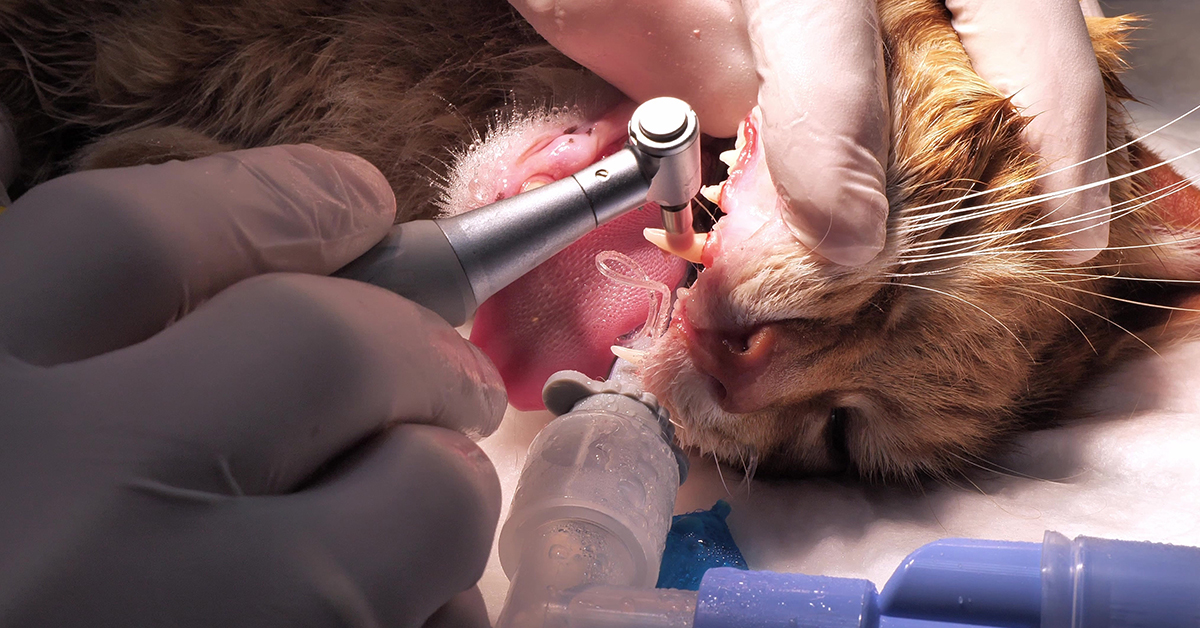
How often should cats and dogs have their teeth cleaned? Most pets benefit from a professional dental cleaning about once a year, though some need one every six months and others can go a bit longer depending on breed, age, and oral health. Because dental disease affects the majority of dogs and cats by age three, a consistent cleaning schedule plays a major role in your pet’s comfort and long-term well-being. The challenge is that tartar, gum inflammation, and infection usually develop out of sight, below the gumline, well before a pet shows obvious discomfort. At Partners Animal Hospital in Greenville, SC, we help pet owners create a dental care schedule that fits their individual dog or cat. Below, we’ll cover typical cleaning intervals, the factors that can shorten or stretch them, what happens during a professional cleaning, and the signs that it’s time to book your pet’s next appointment.
How Often Do Dogs and Cats Need Professional Dental Cleanings?
For most healthy adult pets, cats and dogs should have their teeth cleaned roughly once every 12 months, paired with an oral exam at each wellness visit.
Why Once a Year Is the Usual Starting Point
Plaque starts forming on teeth within hours of a meal. Within a few days, minerals in saliva harden that plaque into tartar, which chewing and brushing can’t remove. Over the following months, bacteria in the tartar work their way below the gumline and trigger periodontal disease, which damages the gums, ligaments, and bone that hold teeth in place. An annual cleaning clears away that buildup before it causes lasting harm, and it gives your veterinarian a regular opportunity to catch problems early.
When Pets Need More Frequent Cleanings
Some dogs and cats build tartar much faster than others. Pets with a history of gum disease, crowded teeth, or previous extractions may need a cleaning every six to nine months. Your veterinarian will recommend an interval based on what they find during exams and on dental X-rays, and that recommendation may change as your pet ages. In other words, there’s no single answer to how often cats and dogs should have their teeth cleaned that applies to every pet in every stage of life.
Dogs vs. Cats: Similar Goals, Different Risks
Dogs and cats share many dental concerns, but their risks aren’t identical. Small dog breeds often have crowded mouths that trap food and bacteria. Cats are prone to tooth resorption and stomatitis, painful conditions that may call for closer monitoring. For both species, a yearly evaluation serves as the baseline, and the cleaning schedule builds from there.
What Factors Affect How Frequently Your Pet Needs a Dental Cleaning?
Every pet’s mouth is different, so the ideal cleaning interval depends on a combination of genetics, lifestyle, and health history.
Several factors can shift your pet’s dental timeline:
- Breed and size: Toy and small breeds such as Yorkshire terriers, Chihuahuas, and dachshunds tend to develop tartar and gum disease earlier in life.
- Face shape: Flat-faced breeds like pugs, bulldogs, and Persian cats often have misaligned or overlapping teeth.
- Age: Senior pets typically accumulate more wear and dental damage over the years.
- Diet: Soft or sticky foods can cling to tooth surfaces more readily than some dry or dental-specific diets.
- Home dental habits: Pets whose owners follow a veterinarian-approved home care routine often go longer between professional cleanings.
- Overall health: Conditions such as diabetes, kidney disease, and immune disorders can influence oral health.
Why Breed and Jaw Structure Matter
Genetics can make a big difference in how often cats and dogs should have their teeth cleaned. Two dogs of the same age eating the same food can have very different mouths simply because of their size and jaw shape. Small breeds have the same number of teeth as large breeds, packed into a much smaller space, which creates tight pockets where bacteria thrive. Flat-faced cats and dogs face a similar challenge because their shortened jaws leave little room for proper tooth alignment.
How Health History Plays a Role
Pets who have already experienced periodontal disease or extractions are more likely to see problems return. Your veterinarian may suggest shorter intervals between cleanings to keep gum disease from progressing. Pets with chronic illnesses also benefit from closer dental monitoring, since ongoing oral infections can place extra strain on the body’s organs.
What Happens During a Professional Pet Dental Cleaning?
Understanding what a professional cleaning includes helps explain why it matters and why a quick brushing can’t take its place.
Why Anesthesia Is Part of the Process
Veterinary dental cleanings are performed under general anesthesia. Anesthesia allows the veterinary team to clean below the gumline, take X-rays, and examine every tooth thoroughly without causing your pet stress or pain. Anesthesia-free cleanings only scrape the visible surfaces of the teeth, which can make a mouth look cleaner while leaving disease untouched beneath the gums.
A complete cleaning appointment usually includes:
- A pre-anesthetic physical exam and bloodwork
- General anesthesia with continuous monitoring by trained staff
- Ultrasonic scaling above and below the gumline
- Polishing to smooth the enamel and slow future plaque buildup
- Full-mouth digital dental X-rays
- Charting of any problem areas, along with a treatment plan if needed
How Dental X-Rays Shape Your Pet’s Schedule
Roughly 60 percent of each tooth sits below the gumline, where it can’t be seen during an awake exam. Dental X-rays reveal root infections, bone loss, and resorptive lesions that would otherwise go unnoticed. These findings help your veterinarian decide how often your pet should return for cleanings, so the schedule reflects what’s actually happening in your pet’s mouth rather than a one-size-fits-all rule.
How Can You Tell When It’s Time to Schedule Your Pet’s Next Dental Cleaning?
Your pet’s yearly exam is the most reliable checkpoint, but certain changes at home can signal that a cleaning is due sooner than expected.
Contact your veterinarian if you notice:
- Breath that stays unpleasant even between meals
- Yellow or brown buildup along the gumline
- Gums that look red, puffy, or bleed easily
- Teeth that appear loose, cracked, or missing
- A sudden preference for soft food or slower eating
- Frequent face rubbing or pawing at the mouth
Bad Breath Isn’t Just Part of Pet Ownership
Many owners assume “doggy breath” or a strong odor from a cat’s mouth is simply normal. In reality, persistent bad breath is one of the earliest signs of bacterial buildup and gum inflammation. If your pet’s breath has changed noticeably, it’s worth asking your veterinarian whether a cleaning should move up on the calendar.
Don’t Wait for Your Pet to Stop Eating
Dogs and cats instinctively hide pain, so most pets keep eating even when their mouths hurt. By the time a pet refuses food, dental disease is often advanced. Booking a dental exam at the first hint of trouble allows your veterinarian to address problems while they’re smaller and easier to manage.
Let Your Pet’s Exam Results Set the Pace
When owners ask us how often should cats and dogs have their teeth cleaned, our answer always comes back to the individual pet. During each wellness visit at Partners Animal Hospital, we grade the amount of tartar and gum inflammation we see and compare it with your pet’s previous visits. A pet whose mouth looks healthy year after year may stay on an annual plan, while one who shows rapid buildup may benefit from a shorter interval. Tracking those changes over time gives you a clear, practical picture of when the next cleaning makes sense.
Build a Dental Care Plan for Your Pet in Greenville, SC
Knowing how often cats and dogs should have their teeth cleaned is the first step toward protecting your pet’s mouth for life. While once a year works well for many pets, the best schedule is the one tailored to your dog or cat’s breed, age, health history, and current oral condition. Regular exams make it easier to spot changes early, and consistent professional cleanings help prevent the pain and infection that come with advanced dental disease. If your pet is due for a cleaning, or you’ve noticed bad breath, tartar, or changes in eating habits, the team at Partners Animal Hospital is ready to help. We offer comprehensive dental exams, digital dental X-rays, and professional cleanings performed with careful anesthesia monitoring. Call us at (864) 743-1419 to schedule your pet’s dental appointment in Greenville, SC, and give your dog or cat a healthier, more comfortable smile.
Recent Posts
About Us
At Partners Veterinary Group, we believe in energizing our team members through shared values, while helping them create value for our clients and patients. Knowing we can help make pets’ and people’s lives better motivates us to continually strive for excellence and love what we do.
Our team consistently works to build educational, supportive, and cooperative work environments that cater to positive experiences and professional growth. We’re constantly evolving, creating innovative ways to deliver cutting-edge medicine to our patients. We equip our teams with tools to enhance their skills and improve their knowledge.