
My Dog Has Red and Bleeding Gums: Is It an Emergency?
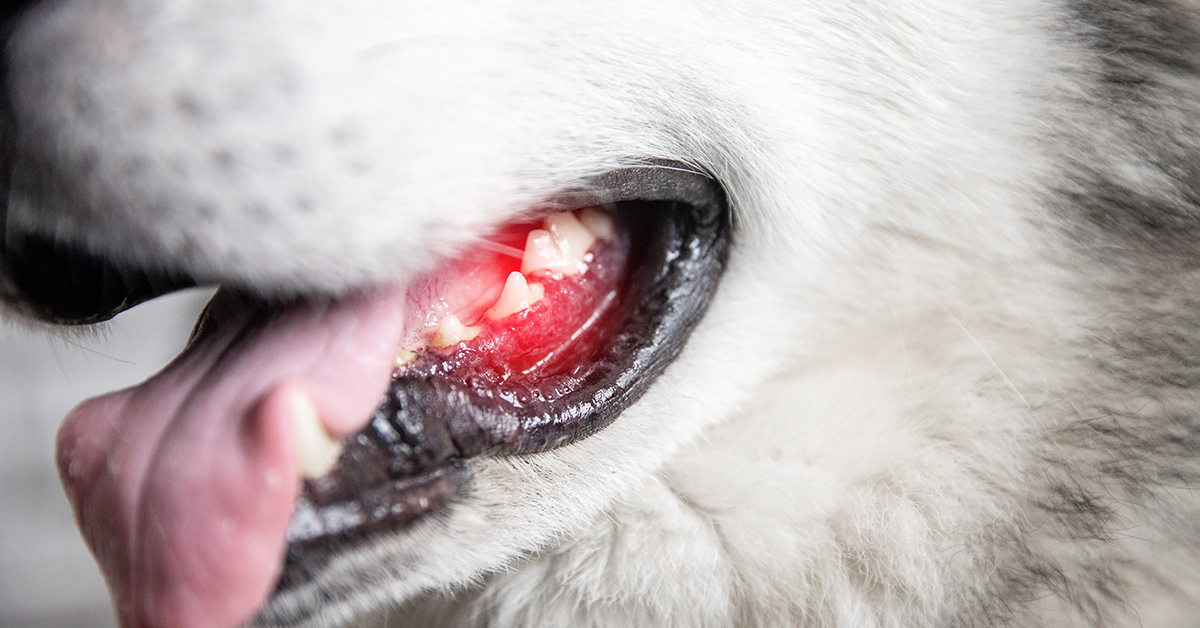
If your dog has red and bleeding gums, the cause is usually gingivitis or periodontal disease, which needs prompt veterinary care but isn’t typically an emergency. However, heavy bleeding, pale gums, bruising elsewhere on the body, or possible exposure to rodent poison require immediate attention. Healthy canine gums are a uniform shade of bubblegum pink (or naturally pigmented black in some breeds), and they shouldn’t bleed during chewing or play. When they turn bright red, look swollen, or leave blood on toys, something is irritating or infecting the tissue. At Partners Animal Hospital in Greenville, SC, we help pet owners sort out which gum changes can wait for a scheduled appointment and which ones can’t. In this guide, we’ll explain the common causes, the warning signs of an emergency, related symptoms worth tracking, and how veterinarians treat gum disease in dogs.
What Causes Red and Bleeding Gums in Dogs?
When a dog has red and bleeding gums, the most likely explanation is inflammation from bacteria along the gumline, though injuries and certain medical conditions can produce similar signs.
Gingivitis
Gingivitis is the earliest stage of gum disease. It develops when plaque builds up along the gumline and the gums react with redness, swelling, and tenderness. Inflamed gum tissue bleeds easily, so you may notice pink-tinged saliva or small spots of blood after your dog chews a toy. The encouraging news is that gingivitis is reversible with timely professional care, before the infection reaches deeper structures.
Periodontal Disease
Left untreated, gingivitis progresses into periodontal disease. Bacteria travel beneath the gums, destroying the ligaments and bone that anchor each tooth. Gums may recede, pockets form around the roots, and teeth can loosen or become infected. At this stage, the damage is permanent, but treatment can stop it from getting worse. Periodontal disease affects the majority of adult dogs and is the leading reason a dog has red and bleeding gums.
Other Possible Causes
Beyond gum disease, several other problems can lead to inflamed or bleeding gums:
- Cuts or punctures from sticks, bones, or sharp chew items
- Fractured teeth that expose sensitive tissue
- Oral tumors or growths along the gums
- Foreign objects wedged between teeth
- Autoimmune conditions that target the mouth
- Bleeding disorders or ingestion of anticoagulant rodent poison
- Certain kidney or liver diseases that affect the mouth and blood
Because so many conditions overlap, a veterinary exam is the most reliable way to identify why your dog’s gums are bleeding.
When Are Bleeding Gums in Dogs Considered an Emergency?
Most cases of gingivitis call for a regular appointment, but some situations mean your dog needs to be seen right away.
Red Flags That Need Immediate Care
Contact your veterinarian or the nearest emergency hospital immediately if your dog has red and bleeding gums along with any of the following:
- Bleeding that is heavy or won’t stop
- Gums that look pale, white, gray, or bluish instead of red
- Bruising or tiny red pinpoint spots on the belly, ears, or inner lips
- Blood in the urine, stool, or vomit
- Known or suspected access to rat or mouse bait
- Weakness, collapse, or rapid breathing
- A recent injury to the face or mouth
Why These Signs Are Serious
These symptoms can point to internal bleeding, a clotting disorder, or significant trauma. Anticoagulant rodenticides, for example, interfere with the body’s ability to form clots, and signs may not appear until several days after a dog eats the bait. Pale gums can indicate blood loss or shock. In these situations, every hour matters, so it’s best to call ahead and head straight to a veterinary hospital.
When a Scheduled Visit Is Appropriate
If your dog’s gums are mildly red with occasional light bleeding during chewing, and your dog is otherwise eating, playing, and acting normally, a prompt but non-urgent appointment is usually appropriate. Even so, don’t wait weeks. The longer a dog has red and bleeding gums from gingivitis, the more likely it is to progress to permanent periodontal damage.
What Other Symptoms Should You Watch For?
Gum changes rarely happen in isolation, and noting other symptoms helps your veterinarian understand what’s going on.
Mouth-Related Clues
Dogs with gum disease often have breath that smells sour or rotten, visible tartar on the back teeth, and gums that appear to be pulling away from the teeth. Some dogs chew on one side, drop food, or lose interest in hard treats. Swelling below the eye may suggest a tooth root abscess, while a lump or mass on the gums should always be examined promptly.
Whole-Body Clues
Changes outside the mouth can be just as important. Increased thirst, frequent urination, weight loss, vomiting, or low energy may suggest an underlying condition affecting the gums. Keeping a simple record of when you first noticed the bleeding, how often it happens, and any other changes in behavior gives your veterinarian useful details during the exam.
Breeds and Ages at Higher Risk
Any dog can develop gum inflammation if plaque goes unchecked, but small breeds such as Maltese, Shih Tzus, and Yorkshire terriers tend to develop gum disease earlier and more severely. Senior dogs also face greater risk after years of tartar buildup. At Partners Animal Hospital, we pay extra attention to the gums of these higher-risk dogs during every wellness visit. If your dog has red and bleeding gums and falls into one of these groups, scheduling an exam sooner rather than later helps protect the teeth that remain healthy.
What Your Veterinarian Will Evaluate
When a dog has red and bleeding gums, the visit typically begins with a full physical exam and a close look at the mouth. Bloodwork can check clotting ability, red blood cell levels, and organ function. If gum disease is suspected, a dental evaluation under anesthesia with full-mouth X-rays reveals how much damage exists below the gumline, which can’t be judged accurately while your dog is awake.
How Are Gum Disease and Gingivitis Treated in Dogs?
When a dog has red and bleeding gums from dental disease, treatment depends on how advanced the disease is, and your veterinarian will tailor a plan based on exam and X-ray findings.
Professional Dental Cleaning
For gingivitis and early periodontal disease, a professional cleaning under general anesthesia is the cornerstone of treatment. Your veterinary team removes plaque and tartar above and below the gumline, polishes the teeth, and examines each one closely. Once the bacterial buildup is gone, inflamed gums often heal and return to a healthy pink color.
Advanced Periodontal Treatment
Moderate to severe periodontal disease may require deeper root cleaning, medicated gels placed in gum pockets, or referral to a veterinary dental specialist for advanced procedures. Teeth with extensive bone loss or infection are often extracted to eliminate pain and stop the spread of bacteria. Dogs adapt remarkably well after extractions and typically feel much more comfortable once diseased teeth are gone.
Treating Non-Dental Causes
When bloodwork or other tests point to a clotting problem, toxin exposure, autoimmune disease, or organ dysfunction, your veterinarian will address that condition directly. Masses on the gums may be biopsied to determine the best next step.
Preventing Recurrence
After treatment, regular wellness exams and routine professional cleanings help prevent gum disease from returning. Your veterinarian can also recommend a home dental care routine suited to your dog’s needs and temperament.
Get Answers About Your Dog’s Gum Health in Greenville, SC
Noticing that your dog has red and bleeding gums can be alarming, but knowing which signs require urgent care and which call for a scheduled visit helps you respond with confidence. In most cases, early treatment of gingivitis protects your dog’s teeth and comfort for years to come. When bleeding is heavy, gums look pale, or poison exposure is possible, seek emergency care right away. For any other changes in your dog’s gums, breath, or eating habits, the team at Partners Animal Hospital is here to help. We offer thorough oral exams, diagnostic bloodwork, digital dental X-rays, and professional dental cleanings for dogs of every age. Call us at (864) 743-1419 to schedule an appointment, and let us help restore your dog’s healthy, pink smile.
Recent Posts
About Us
At Partners Veterinary Group, we believe in energizing our team members through shared values, while helping them create value for our clients and patients. Knowing we can help make pets’ and people’s lives better motivates us to continually strive for excellence and love what we do.
Our team consistently works to build educational, supportive, and cooperative work environments that cater to positive experiences and professional growth. We’re constantly evolving, creating innovative ways to deliver cutting-edge medicine to our patients. We equip our teams with tools to enhance their skills and improve their knowledge.